
🌍 Export Program Capabilities
🧾 Tech Pack Review
🧵 Sampling Support
🧶 Fabric & Trim Sourcing
🎨 Lab Dip / Shade Approval Support
📏 Measurement Control Checkpoints
✅ Inline Quality Follow-Ups
📦 Private Label Packaging Support
🧾 Packing List & Dispatch Readiness
🚢 FOB / CIF Dispatch Coordination
🤝 One Point of Contact
⏱️ Stage-Wise Updates & Tracking
🌍 Export Program Capabilities
🧾 Tech Pack Review
🧵 Sampling Support
🧶 Fabric & Trim Sourcing
🎨 Lab Dip / Shade Approval Support
📏 Measurement Control Checkpoints
✅ Inline Quality Follow-Ups
📦 Private Label Packaging Support
🧾 Packing List & Dispatch Readiness
🚢 FOB / CIF Dispatch Coordination
🤝 One Point of Contact
⏱️ Stage-Wise Updates & Tracking

Apparel Sourcing For Poland Brands

Reliable knitwear production support for Polish fashion brands seeking sampling, development, and export-ready garment programs from India.

Polish fashion brands and private label companies often explore international sourcing when scaling knitwear collections, improving margins, or expanding product categories. India has become a strong production base for cotton knit garments due to its deep manufacturing ecosystem, skilled workforce, and flexible development capabilities. Mirthuni Apparel works with international brands to coordinate sampling, production planning, quality control, and export-ready garment programs across specialized knitwear factories.

Why Polish Fashion Brands Source Knitwear Outside Europe

Production flexibility, cost balance, and scalable knitwear ecosystems

Polish fashion brands today operate in a fast-moving retail and ecommerce environment. As collections expand and private label programs grow, many companies evaluate manufacturing ecosystems outside Europe to support scalable knitwear production while maintaining quality and operational reliability.

International sourcing is often considered for categories such as T-shirts, hoodies, sweatshirts, loungewear, and sleepwear, where consistent fabric production, repeatable sizing, and reliable bulk capacity become essential.

Key ConsiderationWhy It Matters for Polish Brands
🚀 Scalable knitwear production capacityEnables brands to move from sampling to larger production runs without changing suppliers or disrupting product consistency
🧵 Integrated knitwear manufacturing ecosystemsYarn spinning, knitting, dyeing, cutting, stitching, printing, and finishing can be coordinated within specialized garment clusters
📦 Support for growing private label programsMany Polish brands operate private label collections that require reliable fabric sourcing, branding support, and repeat production
📊 Consistent fabric and fit controlKnitwear requires careful control of GSM, shrinkage, and finishing processes to maintain sizing consistency across batches
🌍 Export-ready manufacturing systemsStructured production workflows, quality control, and documentation help ensure garments meet international retail standards

What Polish Fashion Brands Typically Produce Through International Knitwear Programs

Polish fashion brands often develop knitwear collections that require consistent fabric quality, scalable production capacity, and reliable repeat orders. International knitwear manufacturing ecosystems allow brands to support both seasonal collections and long-term product programs.

These production programs commonly include a range of cotton and blended knit garments designed for retail, ecommerce brands, and private label collections.

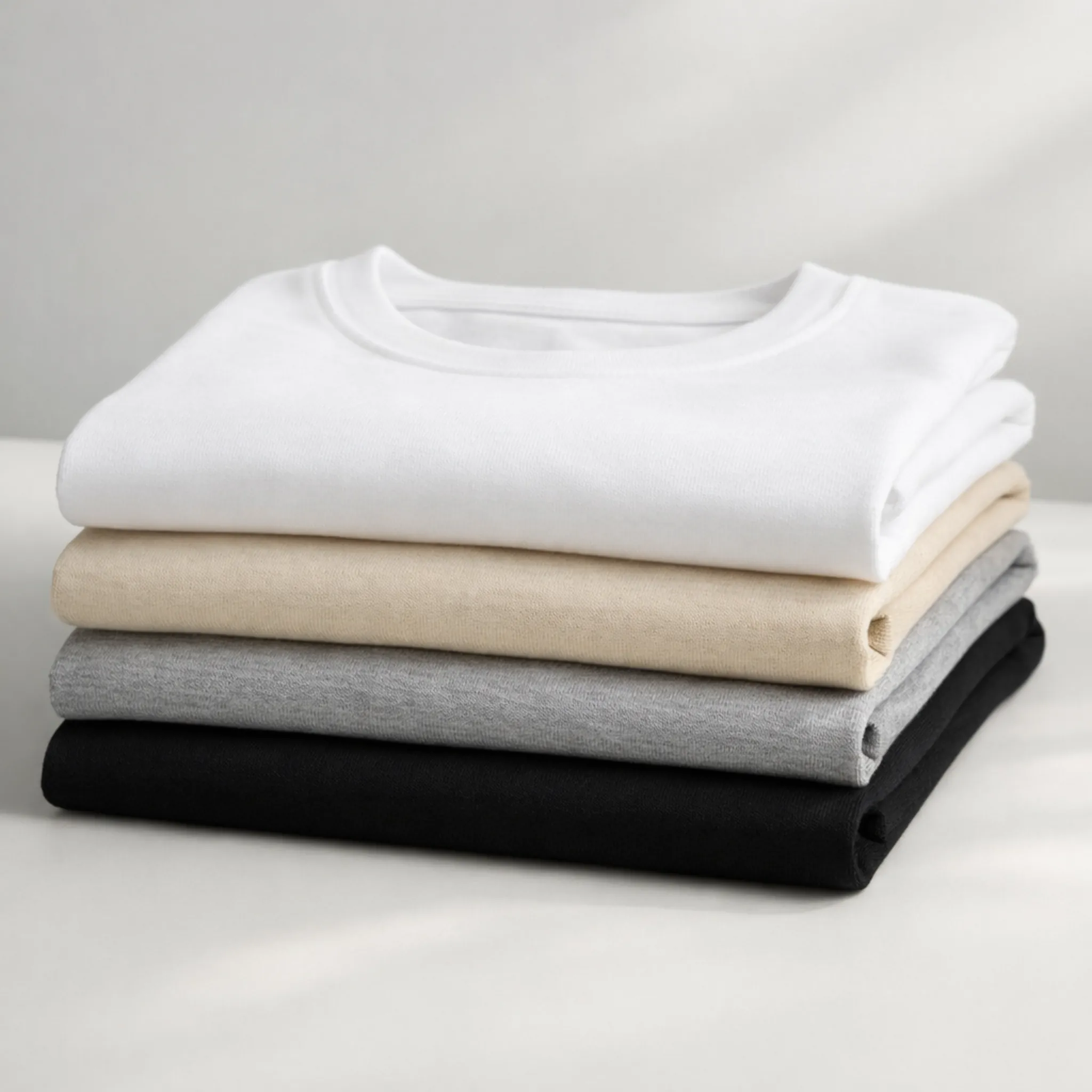
folded-tshirts-stack

T-Shirts and Basic Cotton Jerseys

One of the most widely sourced knitwear categories. Polish brands frequently develop cotton T-shirts for everyday wear, streetwear collections, and branded merchandise programs. Production typically focuses on consistent GSM control, fabric softness, and accurate sizing across multiple production runs.
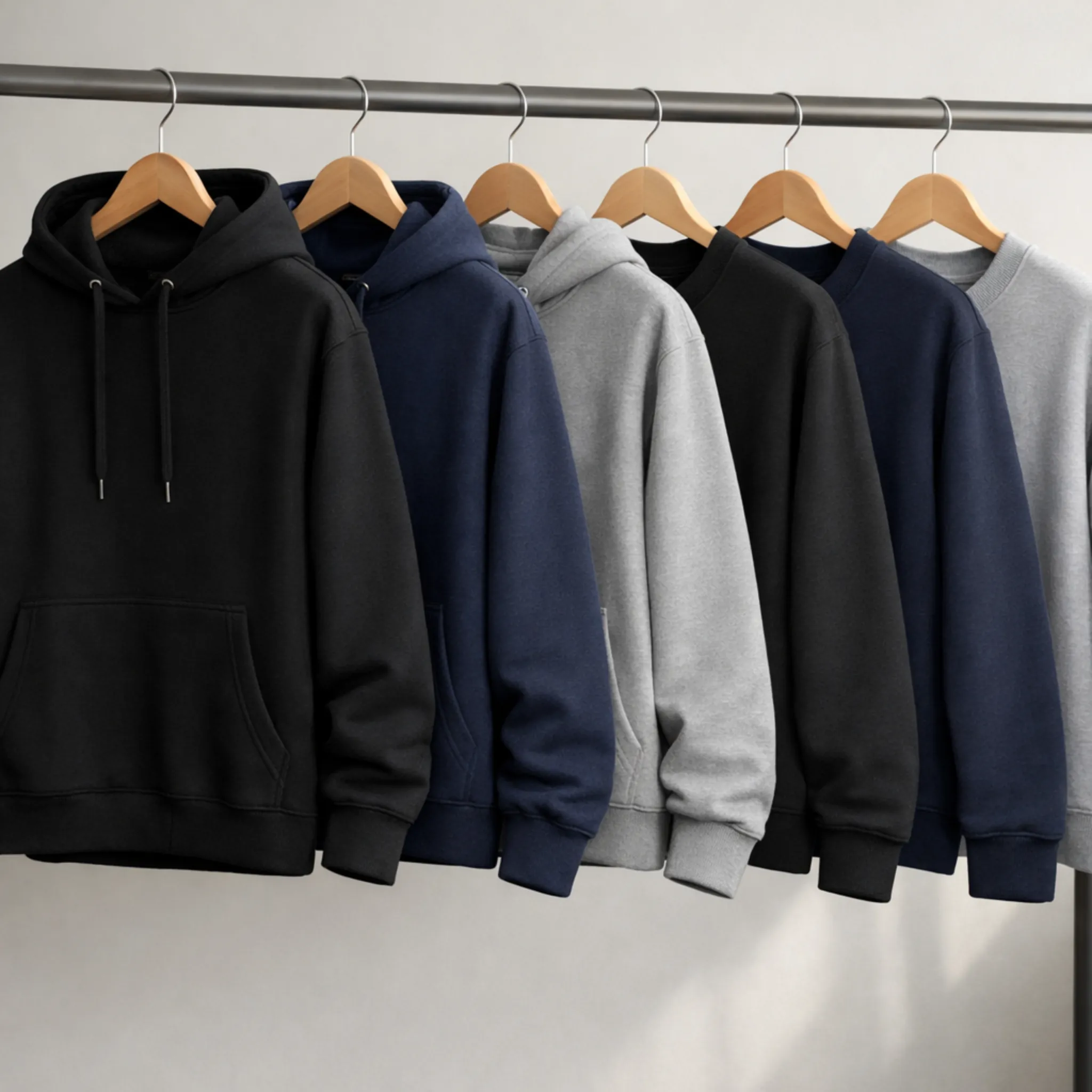
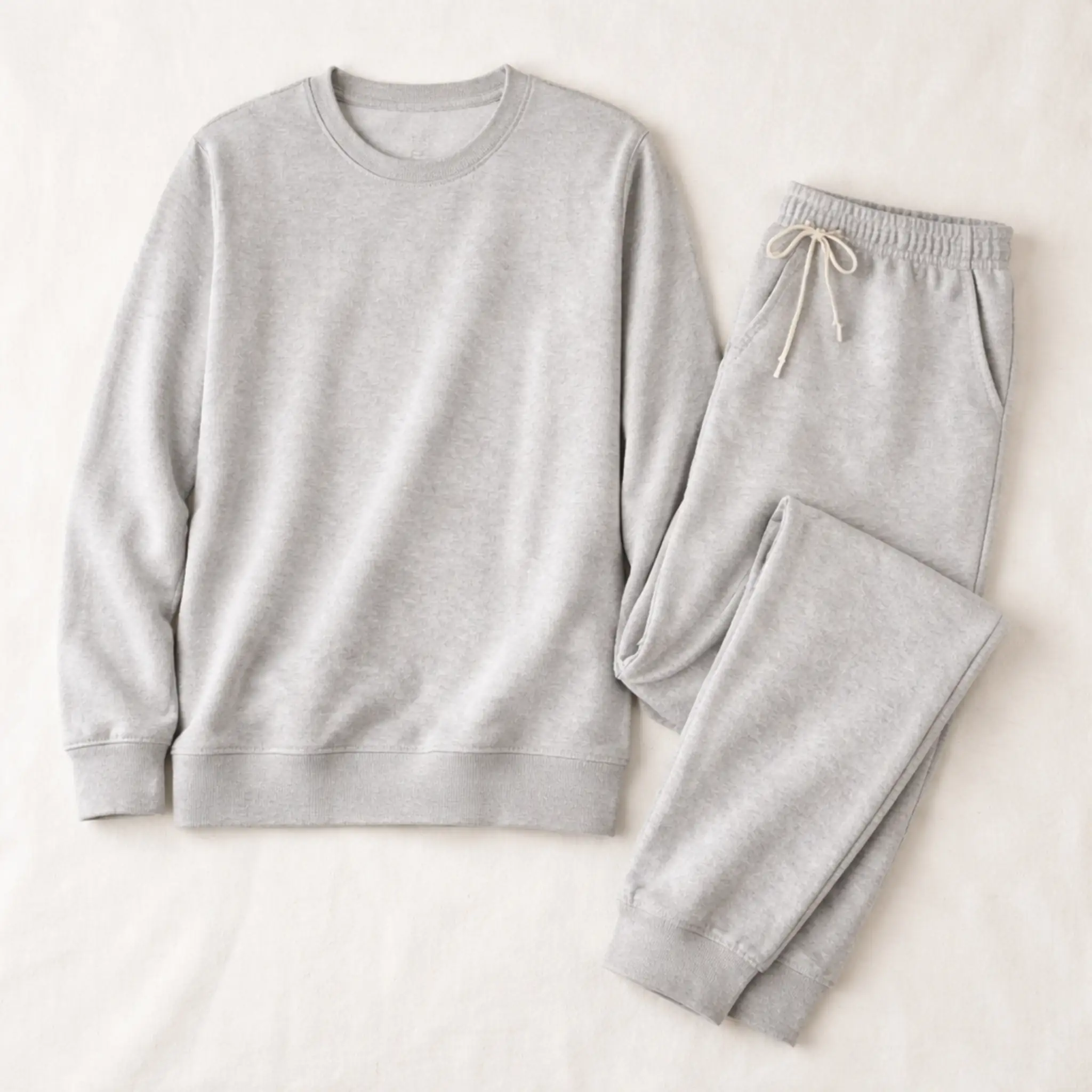
sweatshirt-jogger-set

Loungewear and Casual Apparel

Comfort-focused apparel such as lounge sets, casual shorts, and relaxed-fit tops are increasingly popular among ecommerce-focused brands. These products depend heavily on fabric quality, breathable materials, and stable production processes.
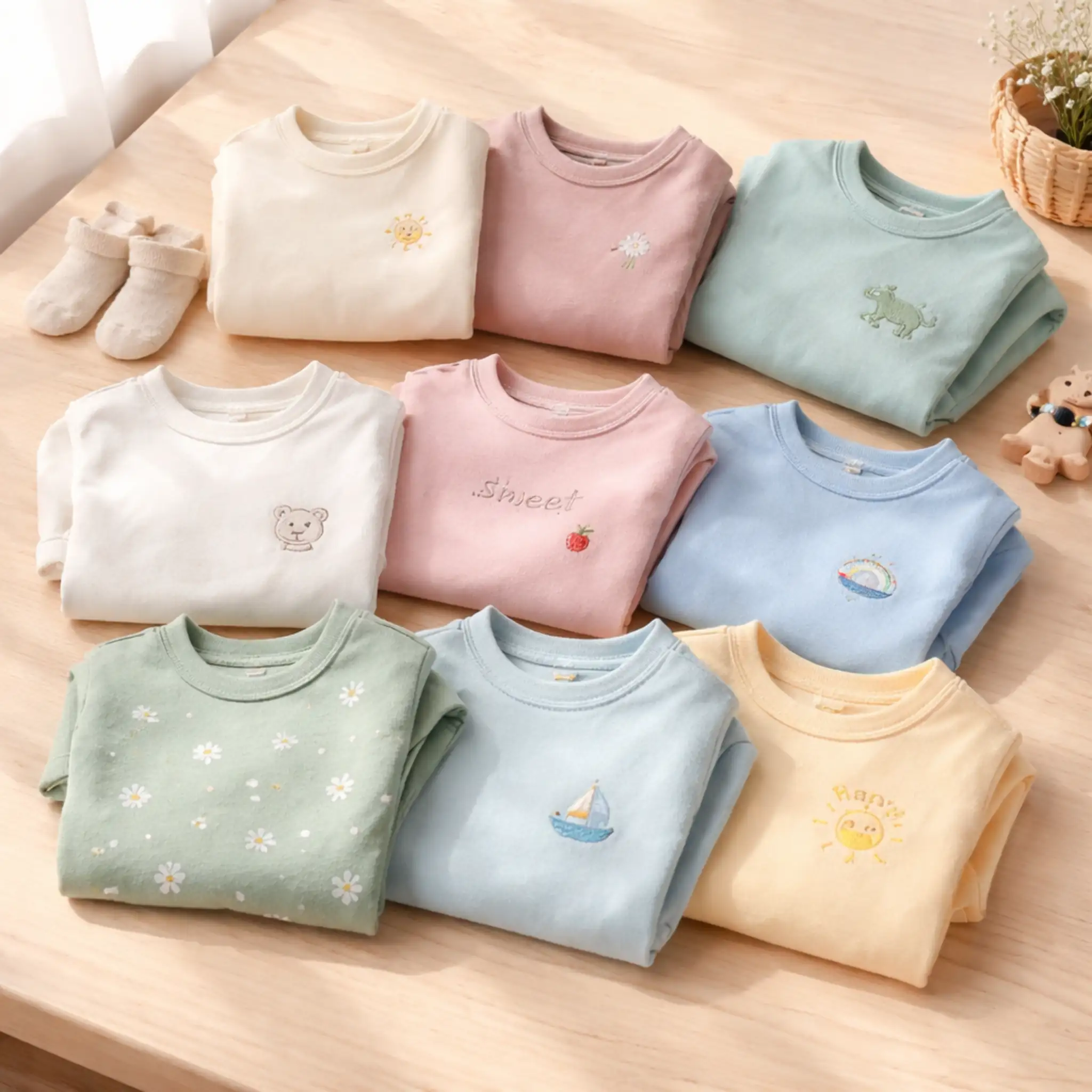
kidswear-pastel-tshirts

Kidswear and Family Collections

Many Polish brands expand into kidswear categories, producing cotton T-shirts, sweatshirts, and everyday garments for children. These products often require soft fabrics, safe trims, and consistent finishing to meet retail expectations.
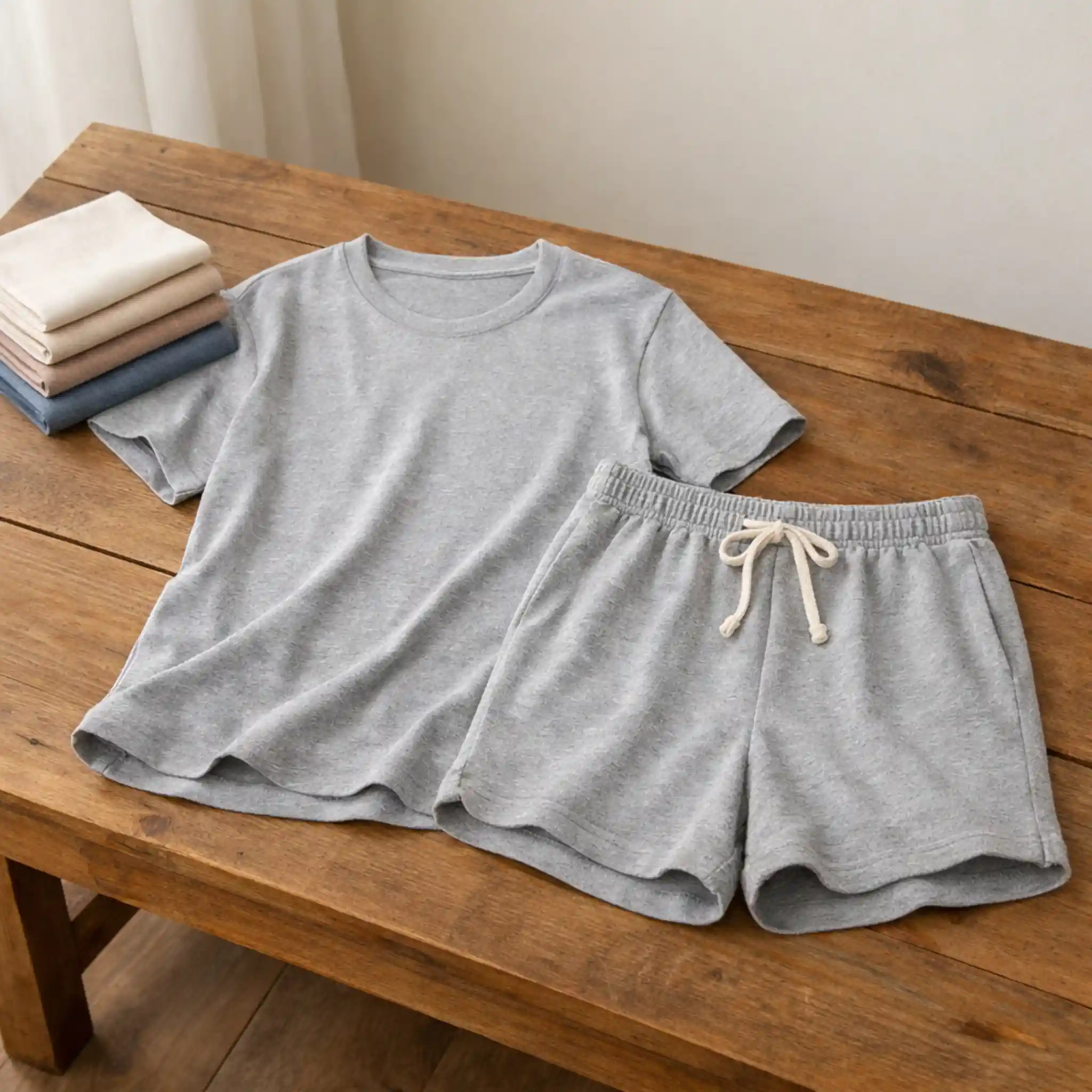
tshirt-shorts-set

Sleepwear and Pajama Sets

Cotton sleepwear programs are commonly developed for private label brands and retail collections. These garments prioritize fabric comfort, durability after washing, and clean finishing suitable for nightwear categories.
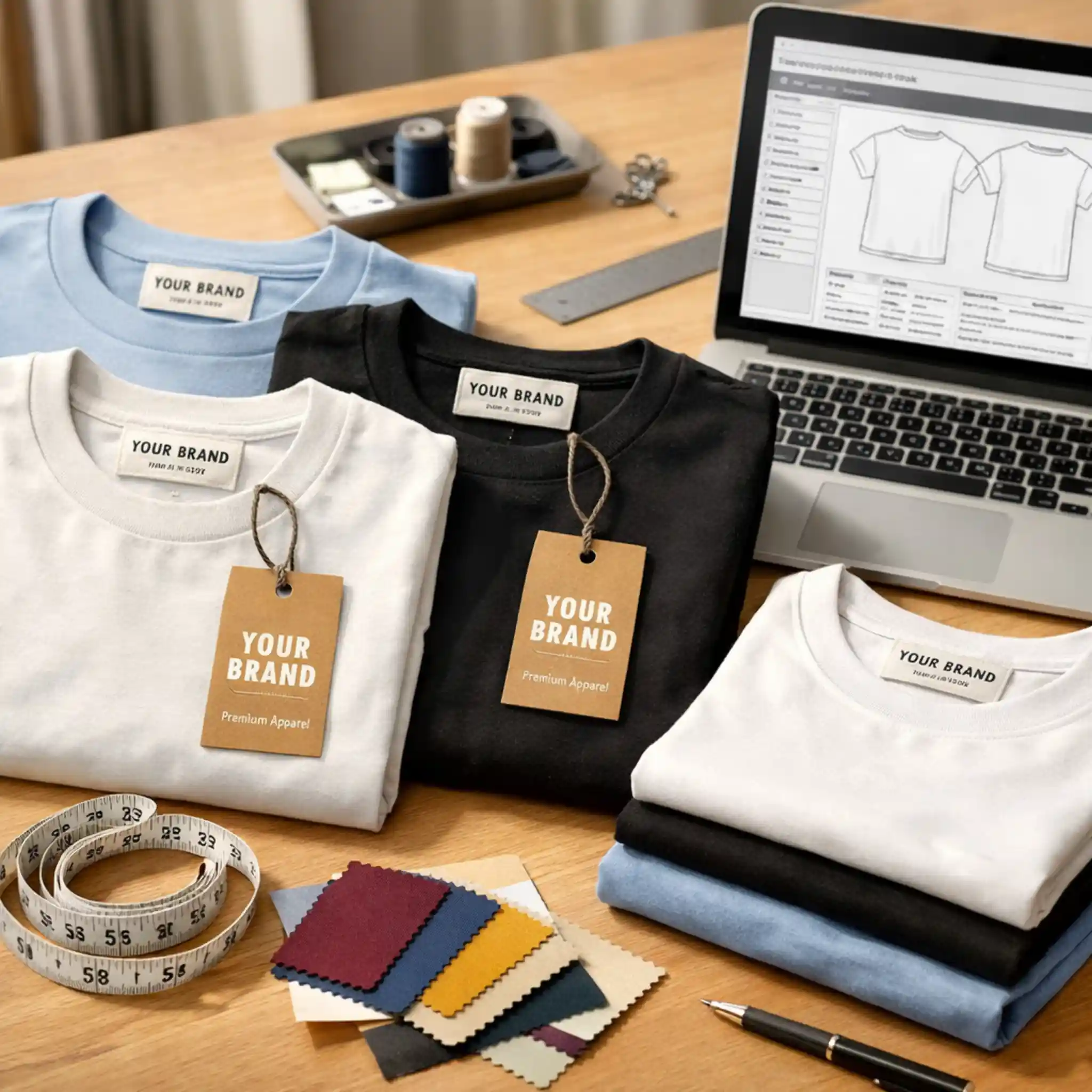
apparel sourcing for poland brands

Private Label Apparel Programs

Many Polish brands operate private label collections where garments are produced with custom labels, hangtags, packaging, and branding elements. International production partners often support these programs through structured sampling, development, and repeat manufacturing.

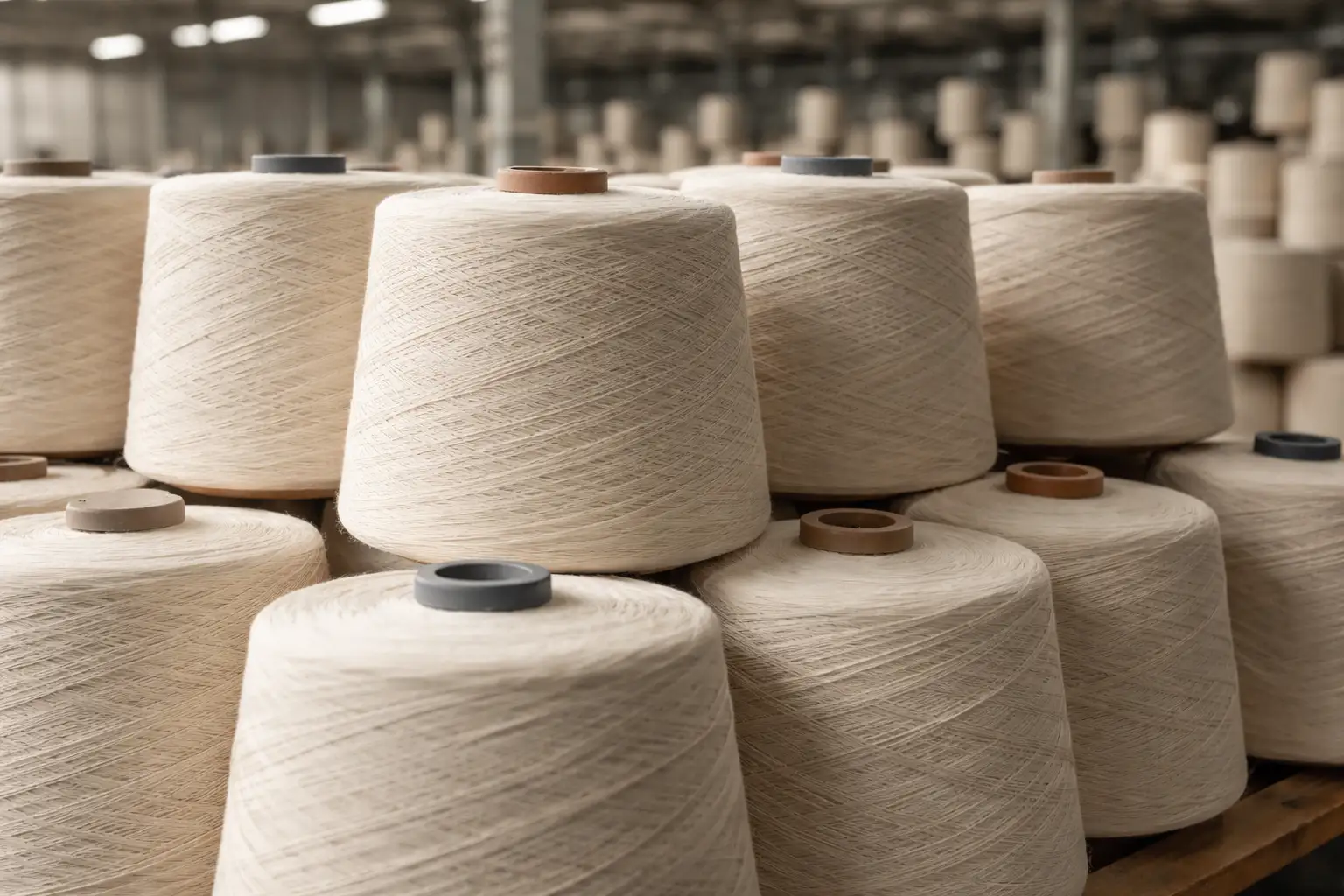
How Apparel Sourcing For Poland Brands Works

For many Polish fashion brands, sourcing knitwear internationally involves several coordinated stages, from product development to production planning and final shipment. Understanding this workflow helps brands maintain quality, avoid delays, and ensure that garments meet retail and ecommerce standards.

A structured sourcing process helps maintain fabric consistency, accurate sizing, and reliable finishing from development through bulk production.

Design and Tech Pack Review

Production begins with reviewing garment designs, fabric requirements, sizing specifications, and branding elements. Clear technical documentation allows accurate planning for development and production.

Fabric and Trim Development

Fabric selection plays a key role in knitwear production. Yarn composition, GSM, knitting structure, dyeing methods, and finishing treatments such as enzyme washing or silicone softening are evaluated during this stage.

Pre-Production Sampling (PPS)

Pre-production samples are developed to verify garment construction, fabric behavior after washing, measurement accuracy, and finishing quality. This stage allows brands to confirm the product before bulk production begins.

Production Planning

Once pre-production samples are approved, manufacturing timelines are organized across knitting, dyeing, cutting, stitching, and finishing operations.

Quality Control and Inspection

Quality checks are performed during production to ensure fabric consistency, measurement accuracy, and finishing standards before garments proceed to packing.

Packing and Export Preparation

Finished garments are packed according to brand specifications and prepared for shipment with the necessary export documentation and logistics coordination.

What Polish Fashion Brands Should Evaluate Before Choosing a Manufacturing Partner.

Selecting the right manufacturing partner is one of the most important decisions when developing knitwear collections internationally. Polish fashion brands often review several operational and technical factors before committing to long-term production programs.

Evaluating these aspects early helps ensure consistent product quality, reliable timelines, and smooth production scaling.

Fabric Quality and Consistency

Knitwear garments depend heavily on fabric performance. Brands typically review yarn composition, knitting quality, GSM consistency, and finishing processes to ensure garments maintain their feel, structure, and durability after repeated washing.

Production Capacity and Scalability

As brands grow, production requirements may increase. Many companies evaluate whether a manufacturing ecosystem can handle larger volumes while maintaining fabric consistency and garment quality.

Pattern Accuracy and Size Grading

Accurate pattern development and consistent size grading are essential for maintaining fit across different production runs. Brands often verify measurements, tolerance levels, and shrinkage control during the development stage.

Private Label and Branding Support

Private label collections often require custom labels, hangtags, packaging specifications, and branding elements. Manufacturing partners should be able to coordinate these details accurately across production batches.

Quality Control Systems

Reliable manufacturing partners implement structured quality checks throughout production. Inline inspections, measurement verification, and finishing checks help ensure garments meet expected standards before shipment.

Export and Logistics Readiness

International production requires organized logistics planning. Export documentation, packing standards, and shipment coordination are important factors when sourcing garments for European retail and ecommerce distribution.

By evaluating these operational factors early, Polish fashion brands can establish sourcing partnerships that support consistent knitwear production while maintaining product quality, brand standards, and reliable delivery timelines.

Where Mirthuni Apparel Supports Polish Fashion Brands

International apparel sourcing often involves multiple stages of coordination between design teams, fabric suppliers, and garment factories. For many Polish fashion brands, managing these stages across different vendors can become complex.

Mirthuni Apparel supports international buyers by coordinating key stages of knitwear sourcing and production, helping ensure that product development and manufacturing processes move forward smoothly.

Evaluating these aspects early helps ensure consistent product quality, reliable timelines, and smooth production scaling.

By coordinating these stages, Mirthuni Apparel helps Polish fashion brands focus on product development and brand growth while maintaining reliable knitwear production workflows.

Why India Is a Strong Knitwear Production Base

For many international fashion brands, knitwear production requires more than just garment stitching. Cotton knit garments depend on a connected manufacturing ecosystem that includes yarn production, knitting expertise, dyeing technology, and finishing processes.

India has developed one of the world’s most specialized knitwear manufacturing environments, allowing brands to manage development, sampling, and bulk production efficiently.

spools of yarn stacked in warehouse

Yarn and Textile Infrastructure

India is one of the largest cotton producers globally. This provides manufacturers with access to consistent yarn supply, supporting stable fabric development for cotton knit garments.
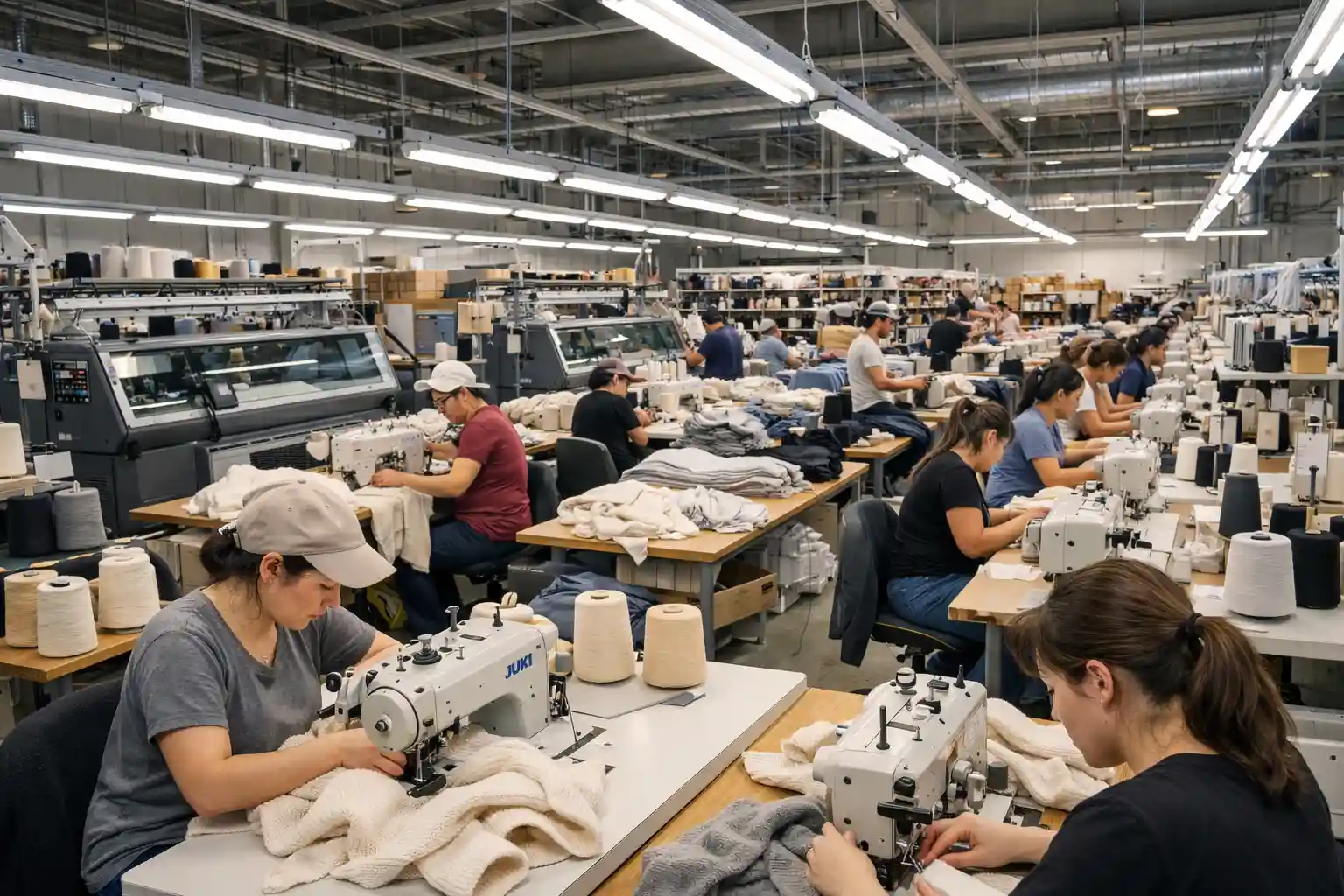
specialized knitwear manufacturing clusters

Specialized Knitwear Manufacturing Clusters

Regions such as Tiruppur have developed strong knitwear ecosystems where spinning, knitting, dyeing, garment assembly, printing, and finishing processes operate within close proximity.
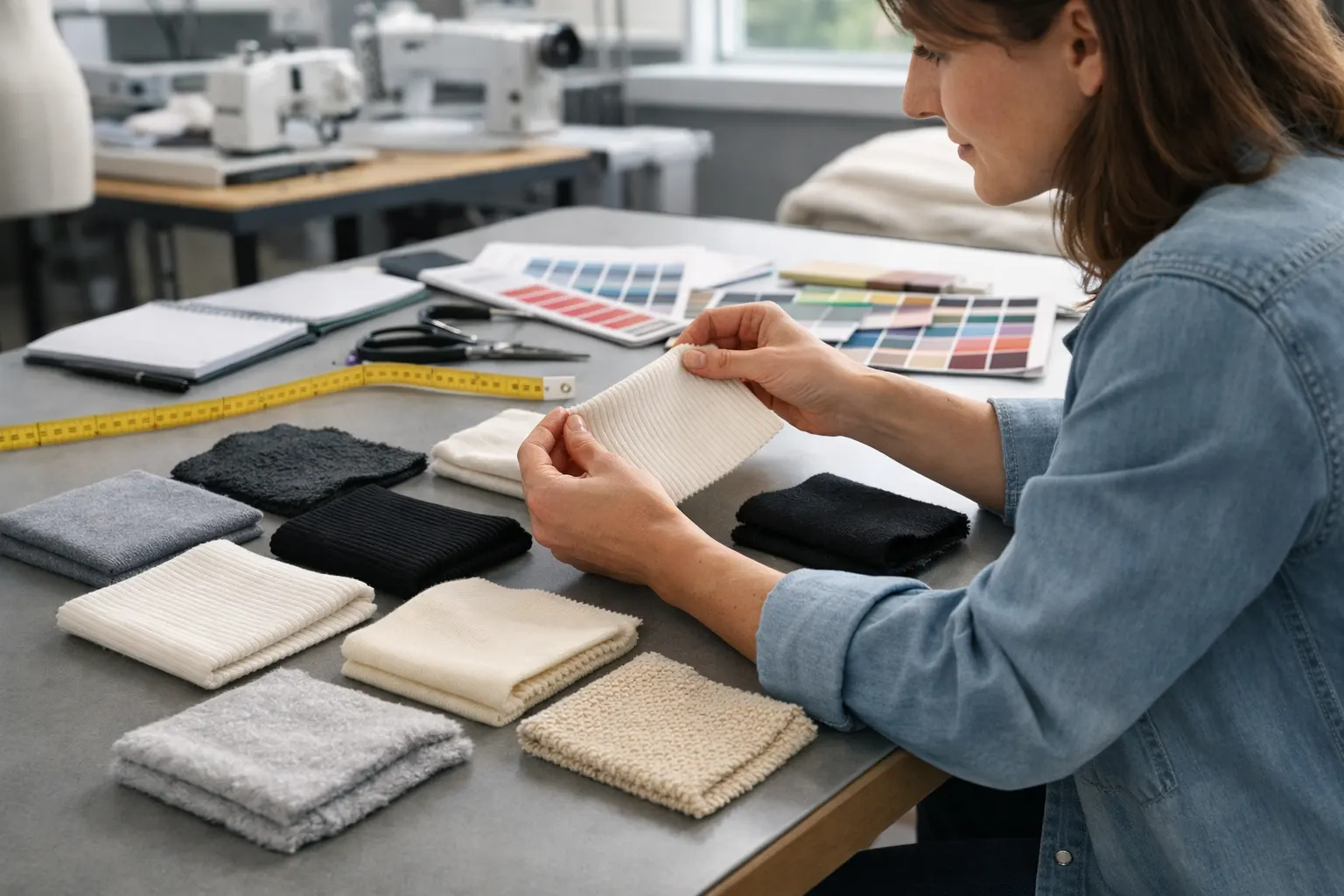
fabric development capabilities

Fabric Development Capabilities

Manufacturers can work with a wide range of knit structures including single jersey, rib, interlock, fleece, and French terry. These fabrics support product categories such as T-shirts, hoodies, loungewear, and kidswear.
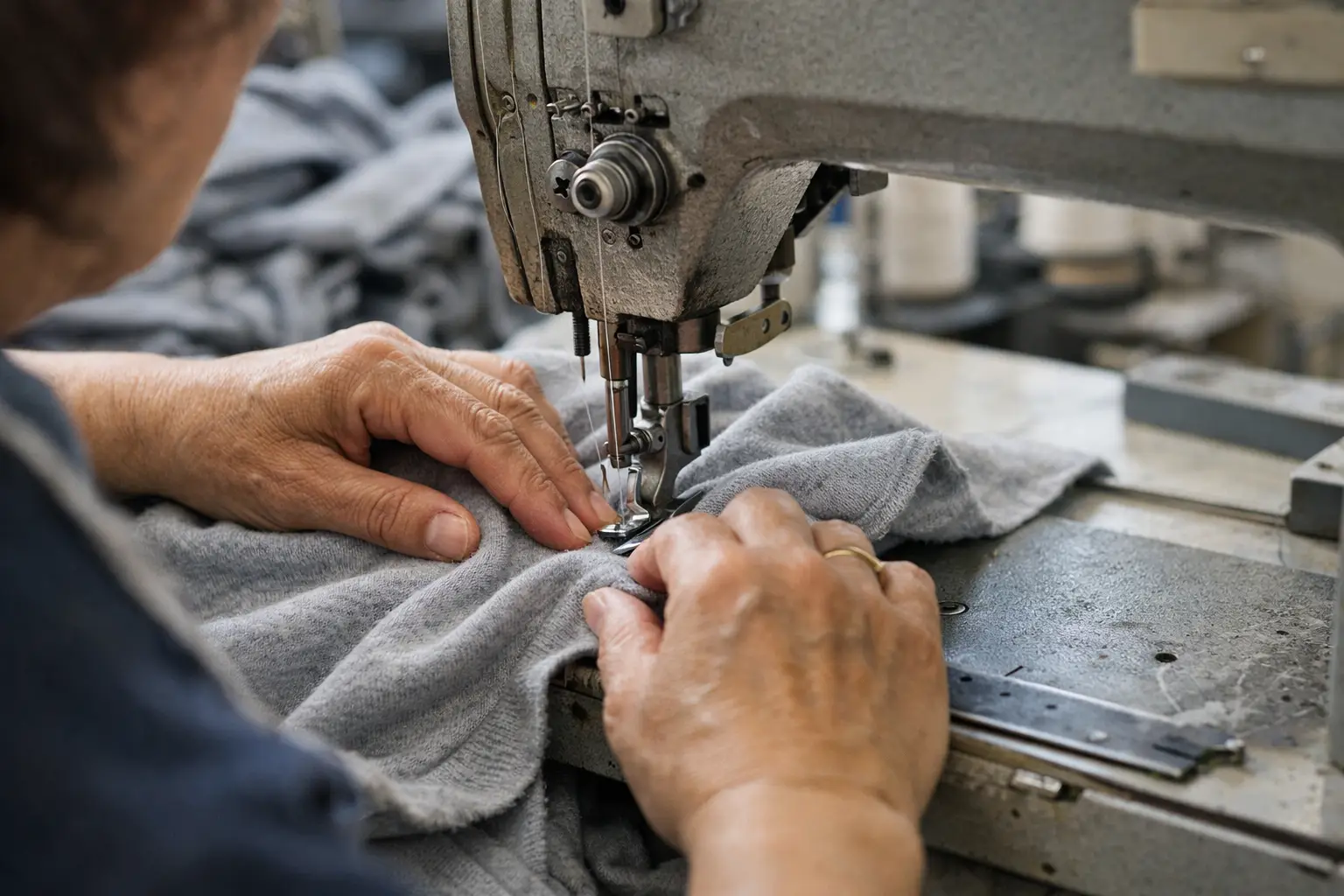
experienced workforce

Experienced Workforce

Knitwear production requires specialized technical knowledge in pattern development, garment construction, and finishing processes. Many production teams in India have decades of experience in cotton knit apparel manufacturing.
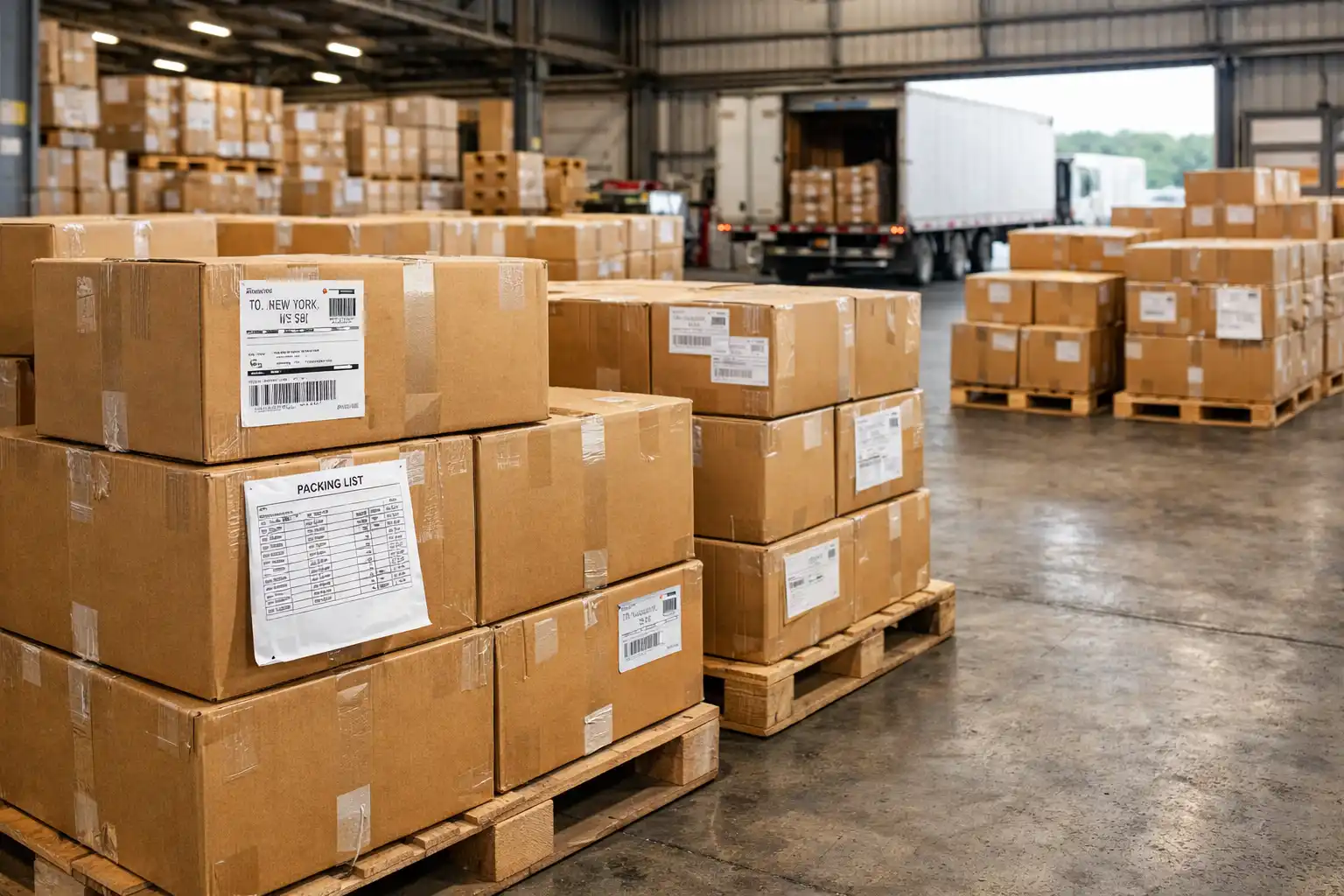
export-oriented manufacturing systems

Export-Oriented Manufacturing Systems

India has long supported garment exports to global retail markets. Production systems are structured around export documentation, logistics coordination, and quality inspection processes.
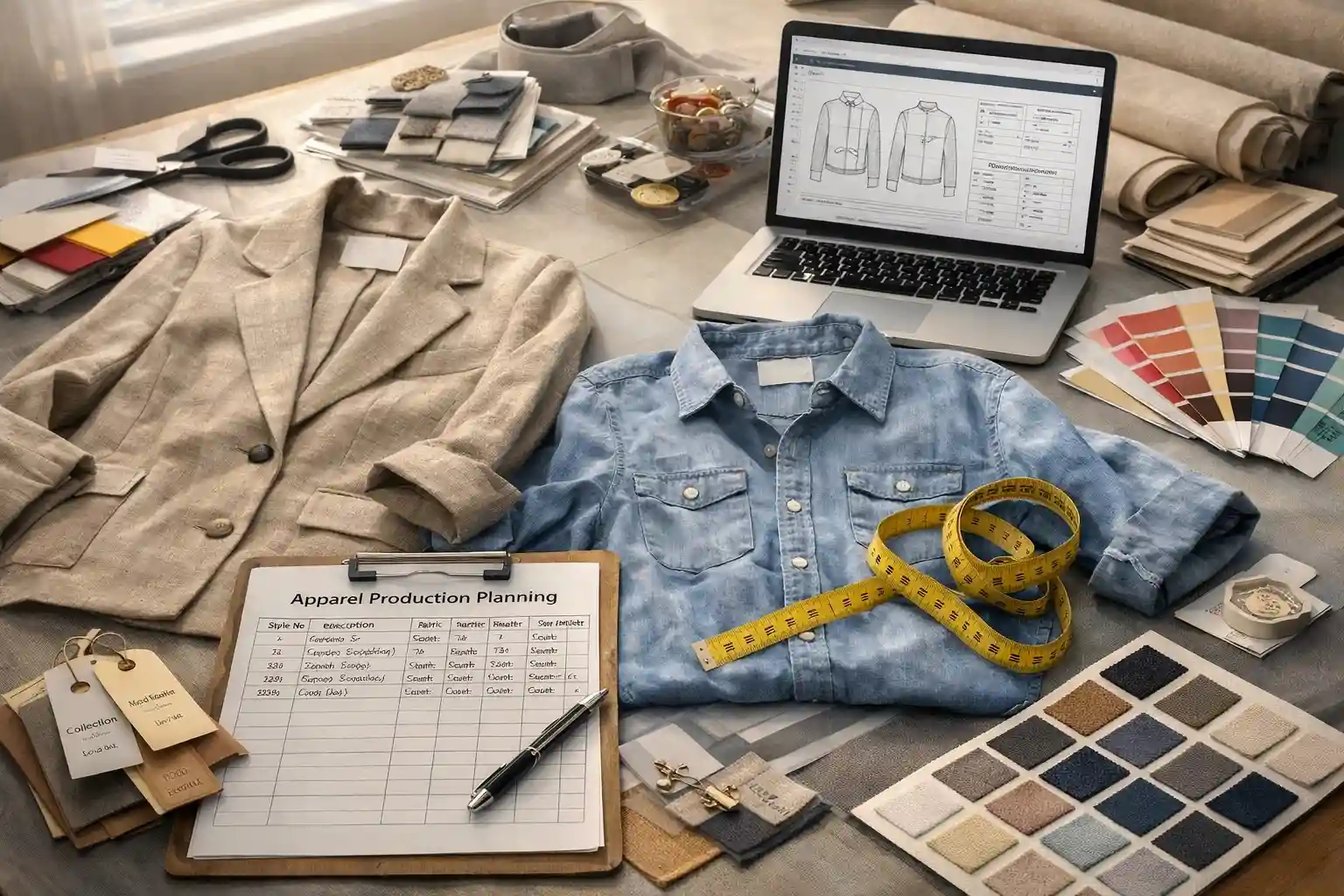
production flexibility

Production Flexibility

Manufacturing clusters often allow brands to develop multiple product styles while maintaining flexibility in fabric sourcing, trims, and production scheduling.

Because of these integrated capabilities, many international fashion brands consider India a reliable sourcing base for cotton knitwear programs and private label apparel collections.

Frequently Asked Questions About Apparel Sourcing For Poland

International apparel sourcing often raises practical questions related to sampling, production timelines, and manufacturing requirements. Below are some common questions Polish fashion brands ask when exploring knitwear production partnerships.

Minimum order quantities vary depending on fabric type, garment complexity, and production setup. Many knitwear programs begin with quantities that allow efficient fabric knitting and dyeing while maintaining production quality.

Yes. Many international brands develop private label collections that include custom labels, hangtags, packaging specifications, and branding elements. Production partners often support these requirements during sampling and bulk manufacturing stages.

Production timelines depend on garment complexity and order volume. Typical production programs include stages such as product development, pre-production sampling, bulk manufacturing, quality inspection, and export preparation.

Most production programs begin with garment specifications such as tech packs, fabric requirements, sizing charts, and branding details. This information helps evaluate production feasibility and sampling requirements.

Many knitwear production programs involve multiple garment styles within a collection. Production planning typically coordinates fabric sourcing, dyeing schedules, and garment assembly to manage these requirements efficiently.

Quality control systems often include fabric inspections, measurement verification, and finishing checks throughout the production process to help ensure garments meet agreed specifications before shipment.

Export-oriented garment production includes packing preparation, shipment coordination, and documentation required for international logistics and distribution.

Start Your Apparel Sourcing Program

For Polish fashion brands planning knitwear collections, a structured sourcing process helps ensure product quality, consistent sizing, and reliable production timelines.

Whether you are developing a new collection, expanding a private label program, or evaluating international production options, early technical discussions can help clarify fabric development, sampling requirements, and production feasibility.

Sharing garment specifications such as tech packs, sizing charts, fabric details, and branding requirements allows production teams to review the project and provide accurate guidance on development and manufacturing stages.

Mirthuni Apparel works with international brands to coordinate knitwear sourcing, sampling, and production across specialized garment manufacturing partners in India.