Apparel Sourcing & Manufacturing Support for US Brands
Reliable knitwear sourcing, product development, manufacturing coordination, and export-ready apparel programs for American brands and importers.
Apparel sourcing for US brands has become increasingly important as companies seek reliable manufacturing partners, fabric sourcing support, product development assistance, and scalable production capabilities from India.
US apparel brands, startup clothing companies, importers, private label businesses, and corporate apparel buyers often seek reliable manufacturing partners that can support product development, fabric sourcing, sampling, production coordination, quality control, and export execution. Based in Tiruppur, India’s leading knitwear manufacturing hub, Mirthuni Apparel helps connect international buyers with suitable manufacturing capabilities for T-shirts, sleepwear, loungewear, kidswear, and corporate apparel programs. Our team supports sourcing and manufacturing projects across a range of fabric options including 100% cotton, organic cotton, Supima cotton, modal, bamboo viscose, lyocell, rayon, viscose blends, and other knitwear materials.
Why US Apparel Brands Source Knitwear from India
Manufacturing flexibility, fabric diversity, and scalable production support
US apparel brands operate in a highly competitive market where product quality, reliable delivery, and supply chain flexibility play an important role. Whether launching a startup clothing brand, scaling a private label program, sourcing corporate apparel, or importing sleepwear collections, many companies look for manufacturing ecosystems that can support both product development and production growth.
India’s knitwear industry offers access to diverse fabric options, established manufacturing infrastructure, and export-oriented production capabilities across categories such as T-shirts, sleepwear, loungewear, kidswear, hoodies, sweatshirts, and corporate apparel.
| Key Consideration | Why It Matters for US Brands |
|---|---|
| 🚀 Scalable manufacturing capacity | Supports growth from sampling and pilot runs to larger production programs without major supply chain disruption or quality inconsistencies. |
| 🧵 Diverse fabric sourcing options | Access to 100% cotton, organic cotton, Supima cotton, modal, bamboo viscose, lyocell, rayon, viscose blends, and other knitwear fabrics suitable for multiple apparel categories. |
| 🏷️ Private label manufacturing support | Helps brands develop custom collections with private labels, hangtags, packaging, trims, and branding elements tailored to their market requirements. |
| 📊 Consistent quality and fit control | Structured production monitoring helps maintain garment measurements, fabric performance, shrinkage control, and repeatability across production batches. |
| 🌍 Export-ready production systems | Quality control processes, production coordination, and export documentation support help facilitate international apparel programs. |
| 👕 Multi-category knitwear capability | Supports T-shirts, oversized T-shirts, sleepwear, loungewear, kidswear, hoodies, sweatshirts, and corporate apparel within a single sourcing ecosystem. |
What US Brands Commonly Produce Through Apparel Sourcing & Manufacturing Programs
US apparel brands operate across a wide range of market segments including fashion retail, ecommerce, private label, corporate apparel, promotional merchandise, and specialty apparel categories. As collections expand and product requirements become more complex, many companies seek sourcing and manufacturing partners capable of supporting fabric development, sampling, production coordination, quality control, and scalable production programs.
These apparel programs commonly include T-shirts, oversized T-shirts, sleepwear, loungewear, hoodies, sweatshirts, kidswear, and corporate apparel collections produced using 100% cotton, organic cotton, Supima cotton, modal, bamboo viscose, lyocell, rayon, viscose blends, and other knit fabric options suitable for the US market.
Whether supporting startup apparel brands launching their first collection or established importers managing repeat production programs, reliable sourcing and manufacturing systems help maintain product consistency, supply chain efficiency, and long-term business growth.
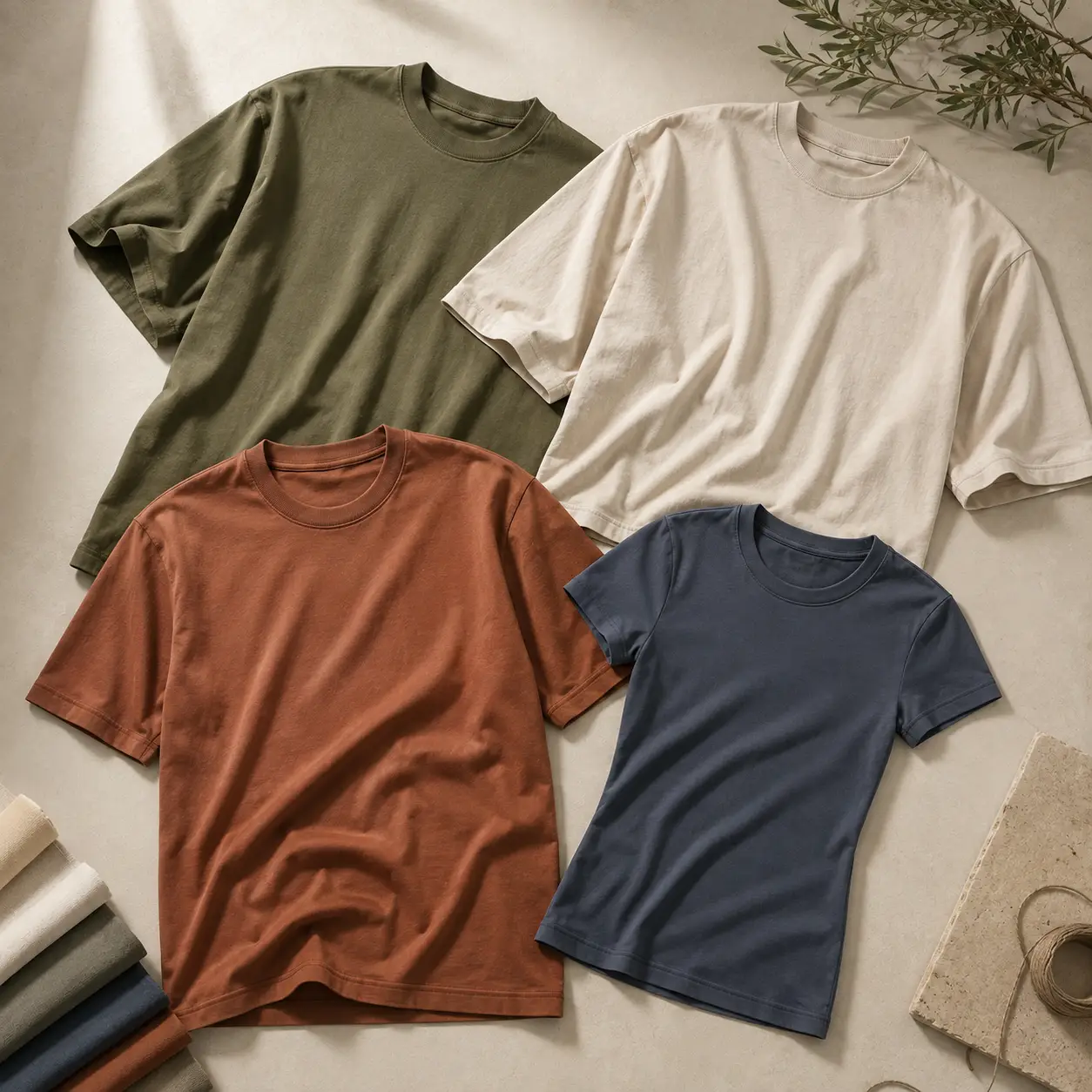
T-Shirts and Basic Cotton Jerseys
One of the most widely sourced knitwear categories. US brands frequently develop cotton T-shirts for retail, ecommerce, private label collections, startup apparel brands, and branded merchandise programs. Production typically focuses on consistent GSM control, fabric softness, and accurate sizing across multiple production runs.
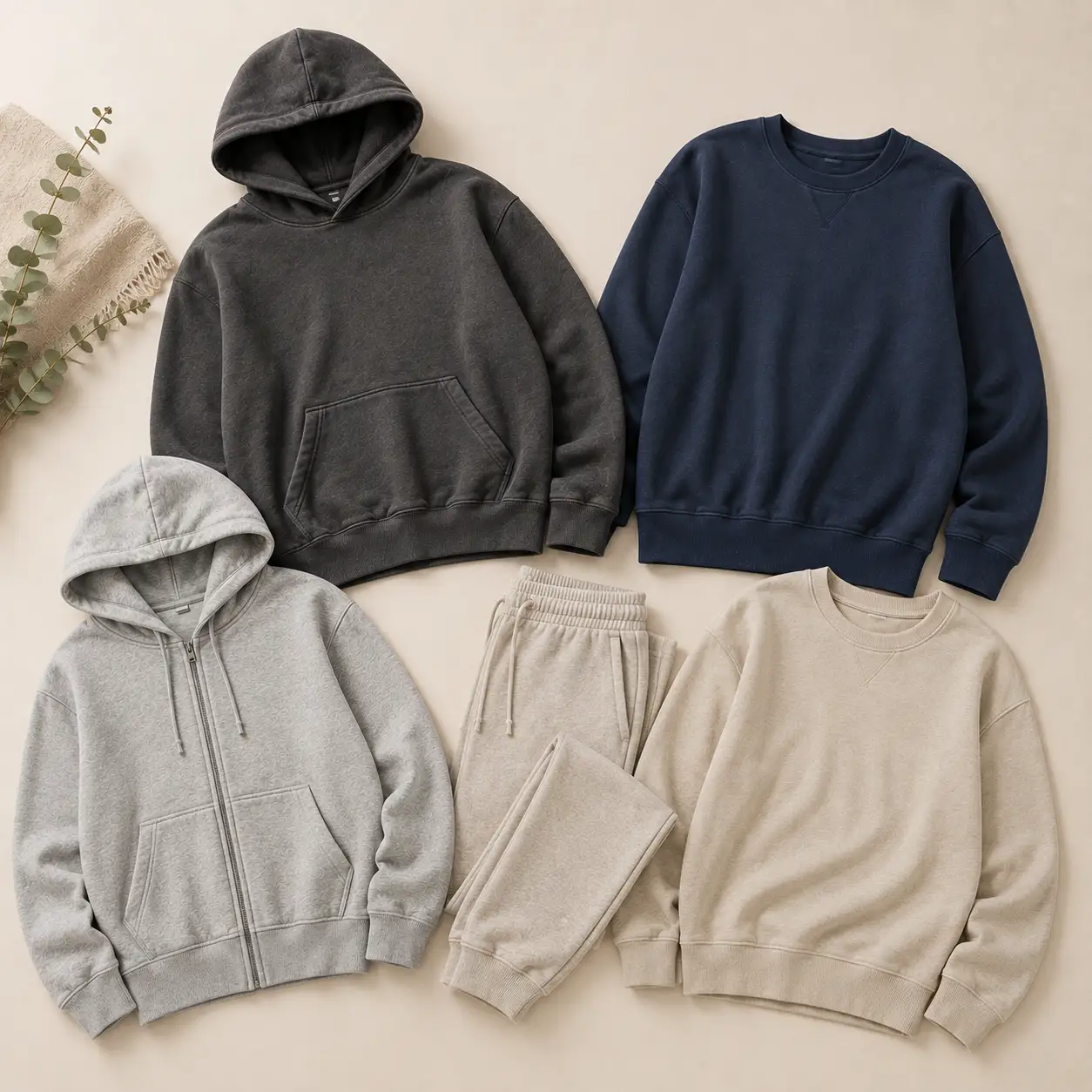
Hoodies and Sweatshirts
Hoodies and sweatshirts remain popular across US streetwear, lifestyle, corporate apparel, and ecommerce-focused brands.
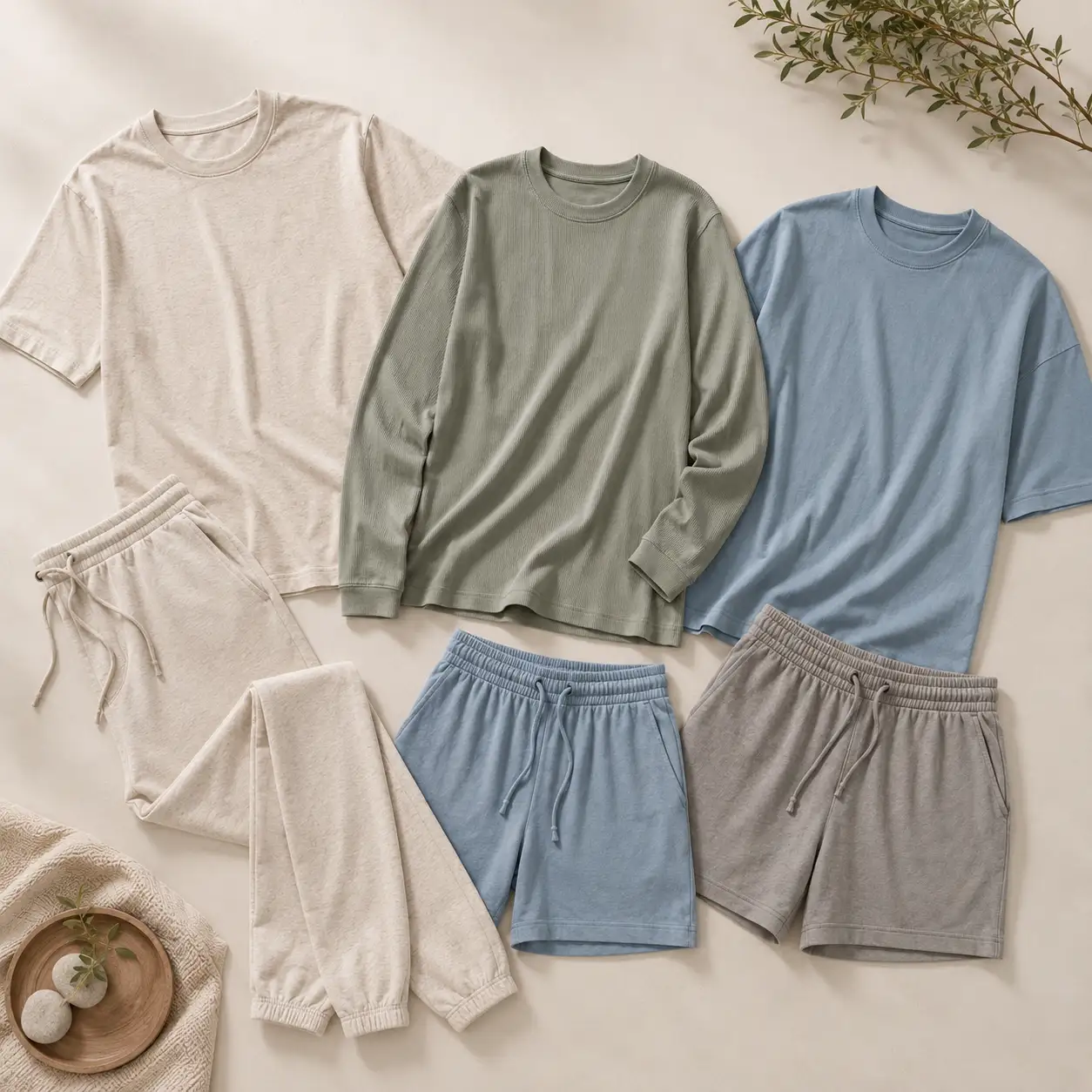
Loungewear and Casual Apparel
Comfort-focused apparel such as loungewear sets, sleepwear, casual shorts, and relaxed-fit tops continues to see strong demand across the US market.
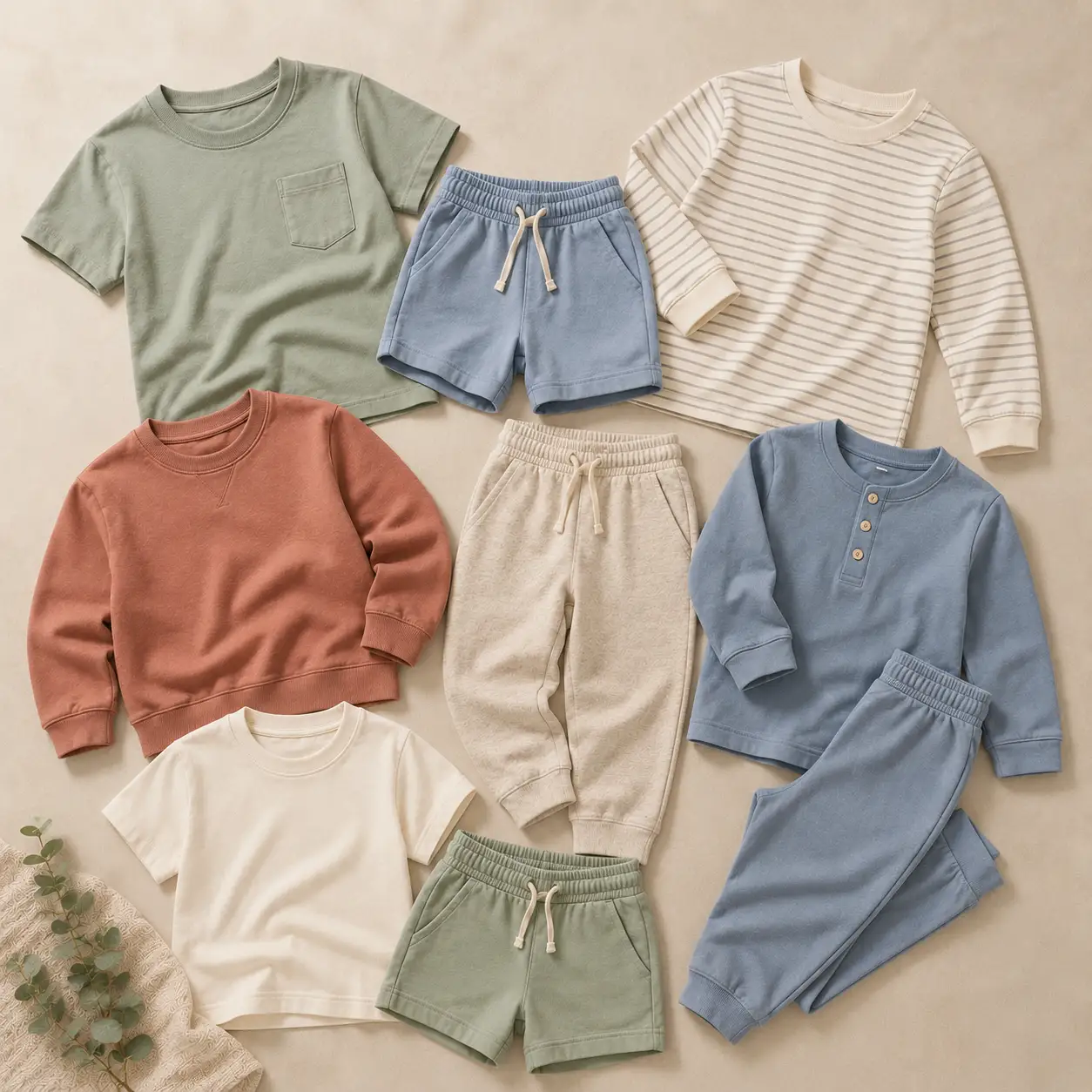
Kidswear and Family Collections
Many US brands expand into kidswear categories, producing cotton T-shirts, sweatshirts, sleepwear, and everyday garments for children. These products often require soft fabrics, safe trims, and consistent finishing to meet retail and ecommerce expectations.
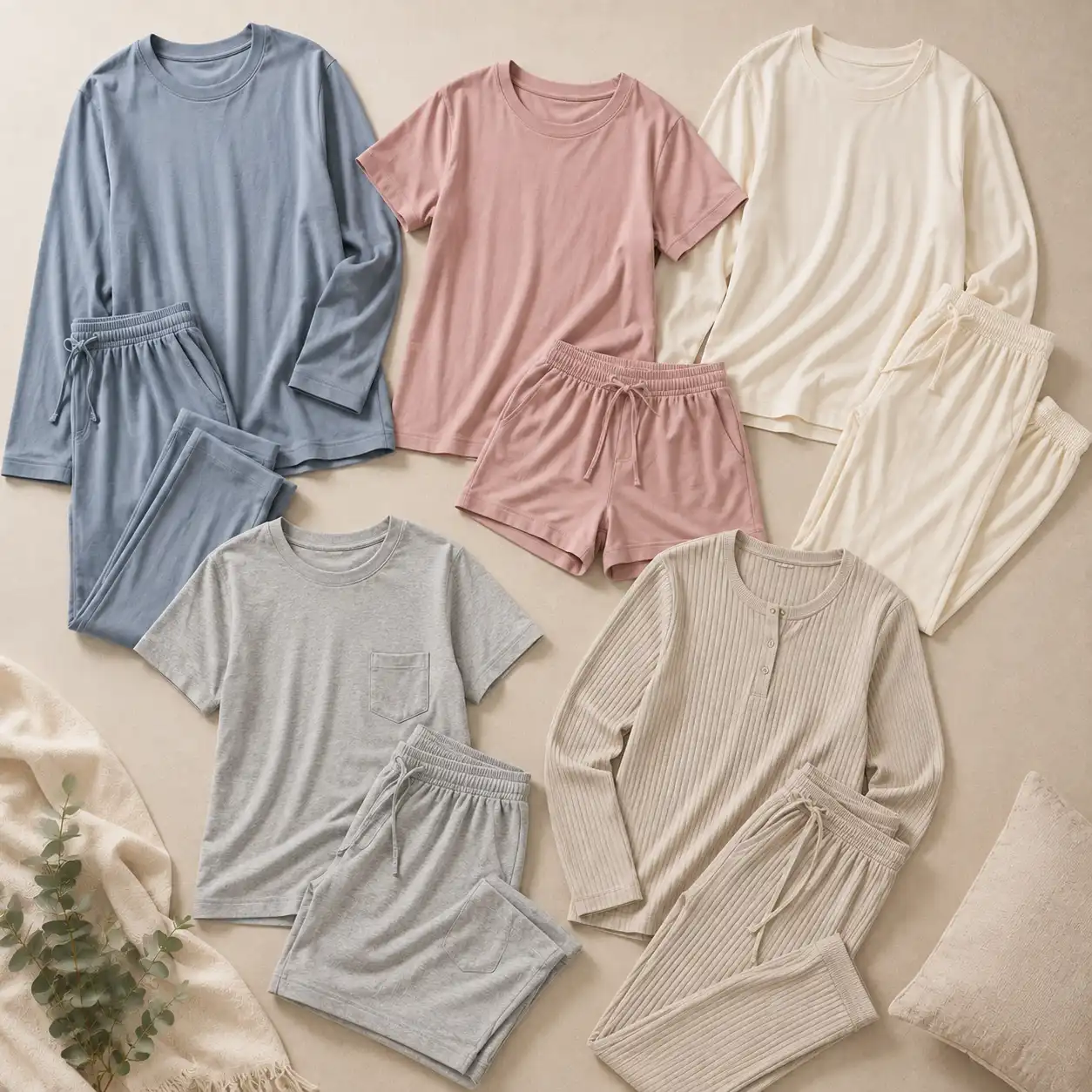
Sleepwear and Pajama Sets
Cotton sleepwear programs are commonly developed for private label brands, retailers, and importers serving the US market. These garments prioritize fabric comfort, durability after washing, and clean finishing suitable for sleepwear and loungewear categories.
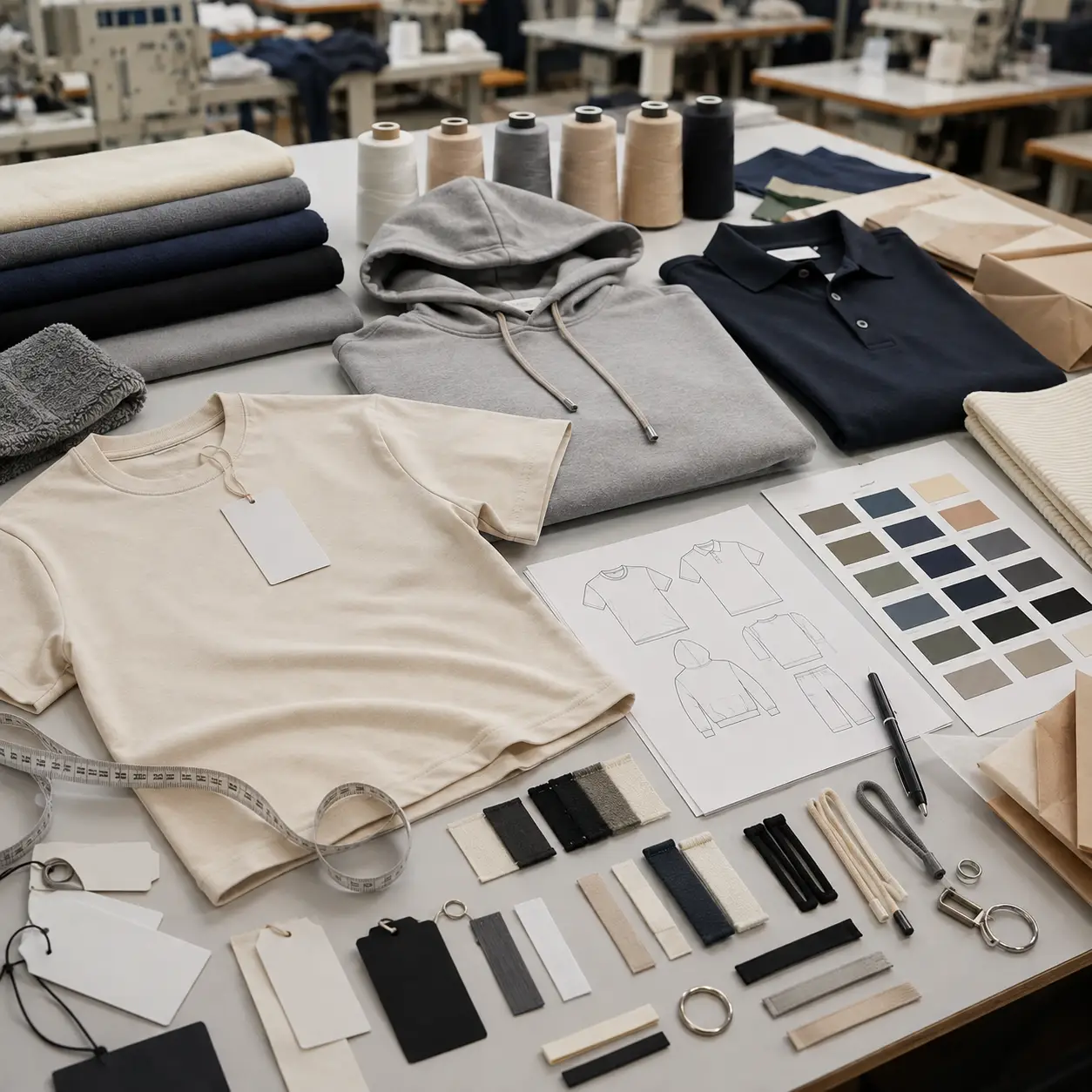
Private Label Apparel Programs
Many US brands operate private label collections where garments are produced with custom labels, hangtags, packaging, and branding elements. Manufacturing partners often support these programs through structured sampling, product development, production coordination, and repeat manufacturing.

US apparel brands often require a structured approach to product development, sourcing, manufacturing, quality control, and shipment coordination. Whether launching a startup collection, expanding a private label program, or managing larger import volumes, a well-defined process helps reduce production risks and maintain consistency across multiple production runs.
A structured sourcing and manufacturing process helps maintain fabric consistency, accurate sizing, reliable finishing, and production quality from development through final shipment.
Design and Tech Pack Review
Production begins with reviewing garment designs, fabric requirements, sizing specifications, branding elements, and target market expectations. Clear technical documentation helps establish product feasibility and supports accurate planning for development and manufacturing.
Fabric and Trim Development
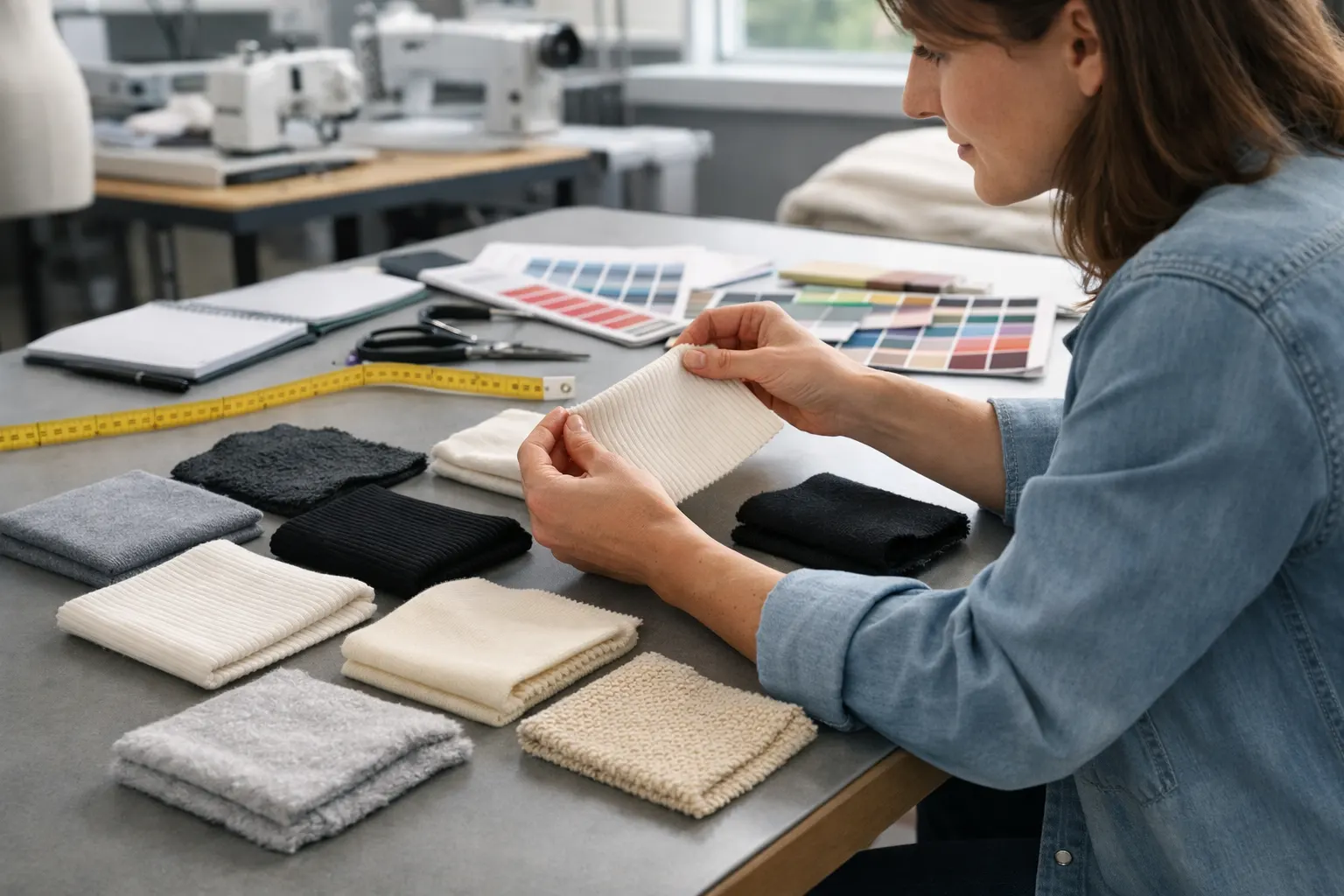
Fabric selection plays an important role in apparel manufacturing. Yarn composition, GSM, knitting structure, dyeing methods, and finishing treatments are evaluated to help ensure the final product aligns with performance, comfort, and quality expectations.
Pre-Production Sampling (PPS)
Pre-production samples are developed to verify garment construction, fabric behavior after washing, measurement accuracy, fit consistency, and finishing quality. This stage allows brands to review and approve the product before bulk production begins.
Production Planning
Once pre-production samples are approved, manufacturing timelines are organized across knitting, dyeing, cutting, stitching, printing, embroidery, and finishing operations. Structured planning helps maintain production efficiency and delivery schedules.
Quality Control and Inspection
Quality checks are performed throughout production to monitor fabric consistency, measurement accuracy, workmanship, print quality, and finishing standards before garments proceed to packing and shipment.
Packing and Export Preparation
Finished garments are packed according to buyer specifications and prepared for shipment with the necessary export documentation, labeling requirements, carton marking, and logistics coordination.
What US Brands Should Evaluate Before Choosing a Manufacturing Partner.
Selecting the right manufacturing partner is one of the most important decisions when developing apparel collections internationally. US brands often review several operational, technical, and sourcing factors before committing to long-term manufacturing programs.
Whether sourcing T-shirts, sleepwear, loungewear, kidswear, corporate apparel, or private label collections, evaluating these factors early helps support product consistency, reliable timelines, and scalable production growth.
Why Apparel Sourcing for US Brands Continues to Grow
Fabric Quality and Consistency
Knitwear garments depend heavily on fabric performance. Brands typically review yarn composition, knitting quality, GSM consistency, and finishing processes to ensure garments maintain their feel, structure, and durability after repeated washing.
Production Capacity and Scalability
As brands grow, production requirements may increase. Many companies evaluate whether a manufacturing ecosystem can handle larger volumes while maintaining fabric consistency and garment quality.
Pattern Accuracy and Size Grading
Accurate pattern development and consistent size grading are essential for maintaining fit across different production runs. Brands often verify measurements, tolerance levels, and shrinkage control during the development stage.
Private Label and Branding Support
Private label collections often require custom labels, hangtags, packaging specifications, and branding elements. Manufacturing partners should be able to coordinate these details accurately across production batches.
Quality Control Systems
Reliable manufacturing partners implement structured quality checks throughout production. Inline inspections, measurement verification, and finishing checks help ensure garments meet expected standards before shipment.
Export and Logistics Readiness
International production requires organized logistics planning. Export documentation, packing standards, and shipment coordination are important factors when sourcing garments for US retail, ecommerce, and private label distribution programs.
By evaluating these operational factors early, US apparel brands can establish sourcing and manufacturing partnerships that support consistent production, product quality, brand standards, and reliable delivery timelines.
Apparel Sourcing for US Brands: Key Manufacturing Considerations
International apparel sourcing often involves multiple stages of coordination between design teams, fabric suppliers, and garment factories. For many USA fashion brands, managing these stages across different vendors can become complex.
Mirthuni Apparel supports international buyers by coordinating key stages of knitwear sourcing and production, helping ensure that product development and manufacturing processes move forward smoothly.
Evaluating these aspects early helps ensure consistent product quality, reliable timelines, and smooth production scaling.
How We Support US Apparel Brands From Development to Shipment?
By coordinating these stages, Mirthuni Apparel helps US fashion brands focus on product development and brand growth while maintaining reliable knitwear production workflows.
Why India Is a Strong Knitwear Production Base
For many US apparel brands, sourcing and manufacturing programs require more than garment assembly alone. Product quality depends on a connected manufacturing ecosystem that supports yarn sourcing, fabric development, knitting, dyeing, garment production, quality control, and export execution.
India has developed one of the world’s most specialized knitwear manufacturing environments, providing access to a wide range of fabric options including 100% cotton, organic cotton, Supima cotton, modal, bamboo viscose, lyocell, rayon, and blended knit constructions. This allows brands to manage development, sampling, and production efficiently across multiple product categories.

Yarn and Textile Infrastructure
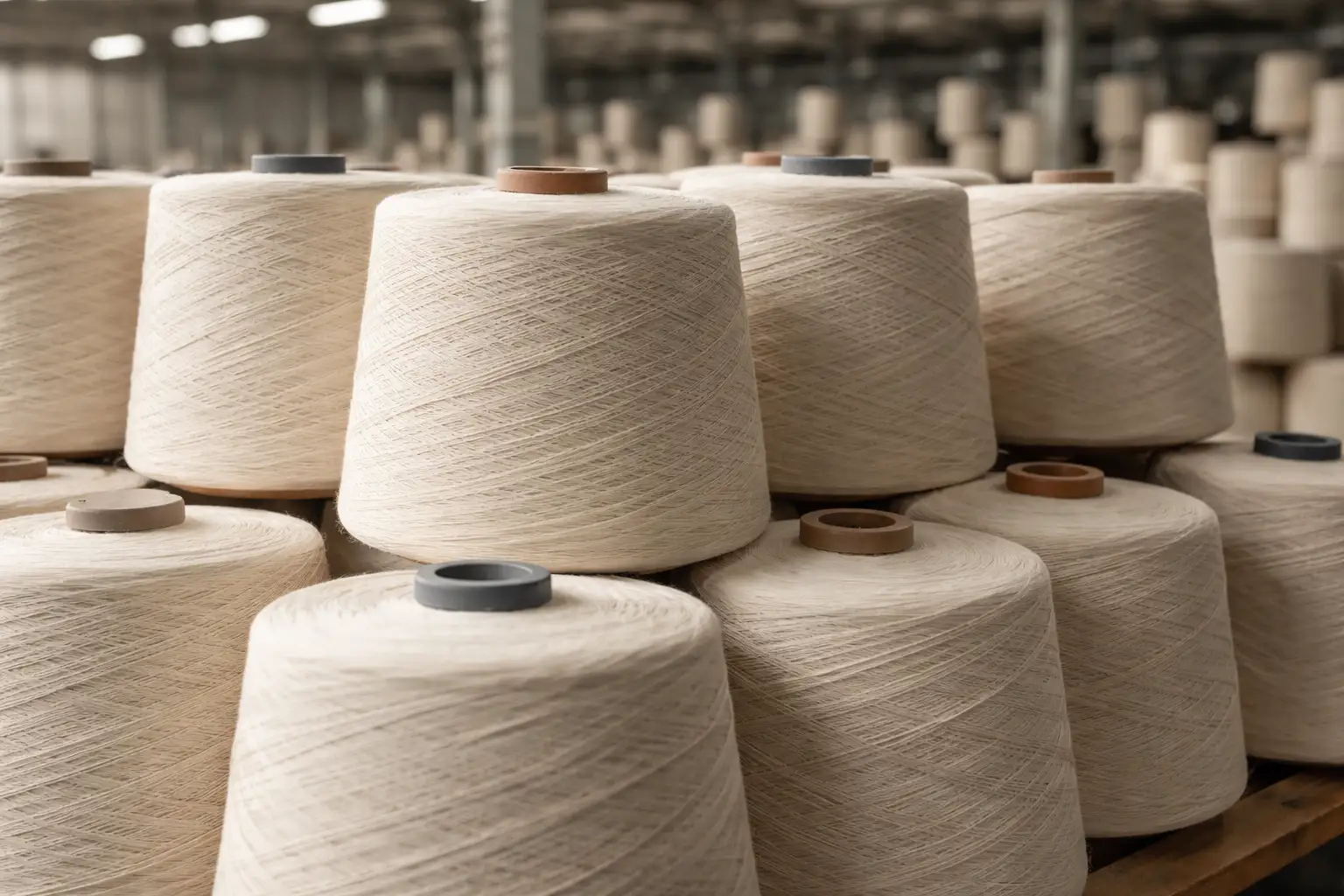
India is one of the largest cotton producers globally. This provides manufacturers with access to consistent yarn supply, supporting stable fabric development for cotton knit garments.

Specialized Knitwear Manufacturing Clusters
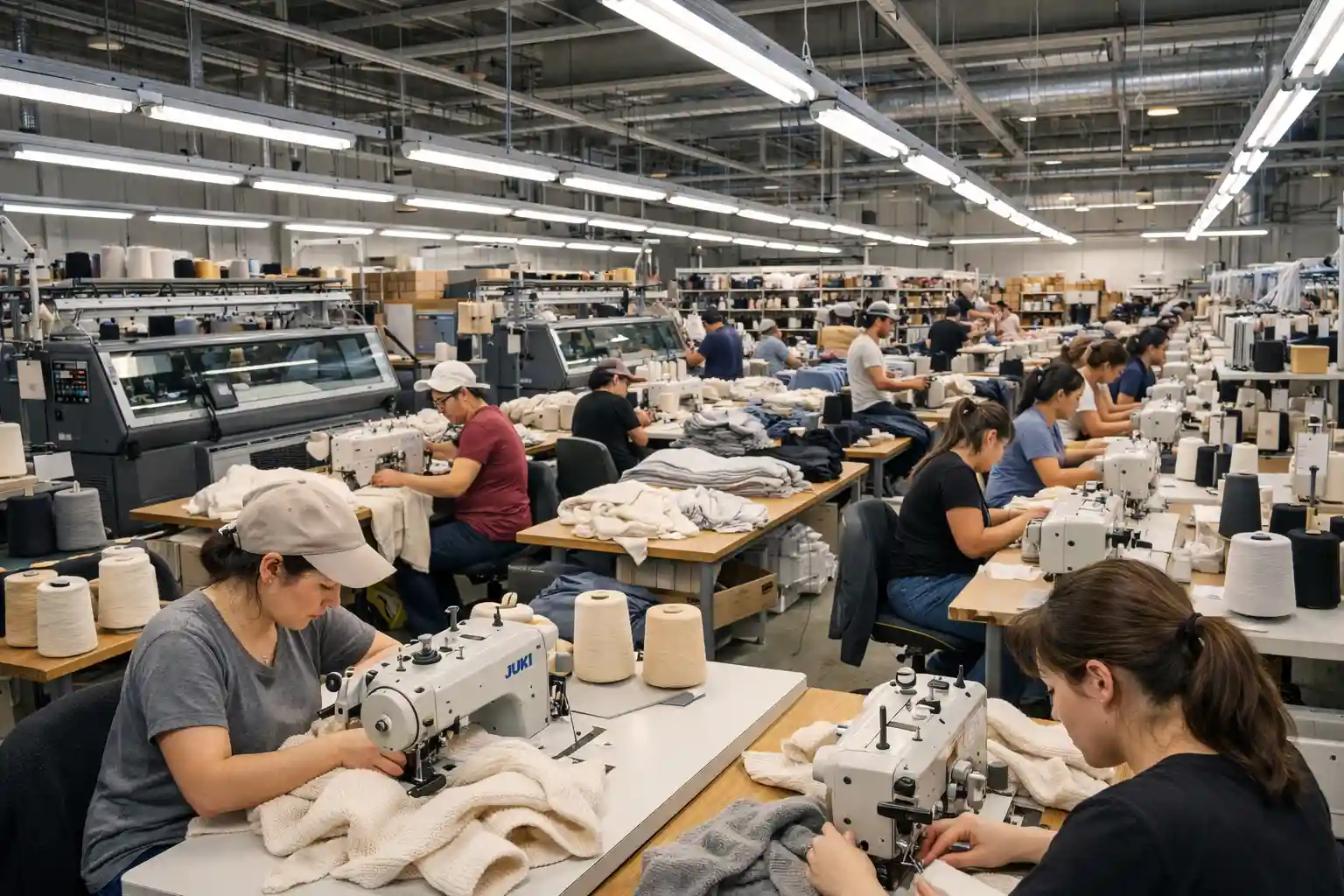
Regions such as Tiruppur have developed strong knitwear ecosystems where spinning, knitting, dyeing, garment assembly, printing, and finishing processes operate within close proximity.

Fabric Development Capabilities
Manufacturers can work with a wide range of knit structures including single jersey, rib, interlock, fleece, and French terry. These fabrics support product categories such as T-shirts, hoodies, loungewear, and kidswear.

Experienced Workforce
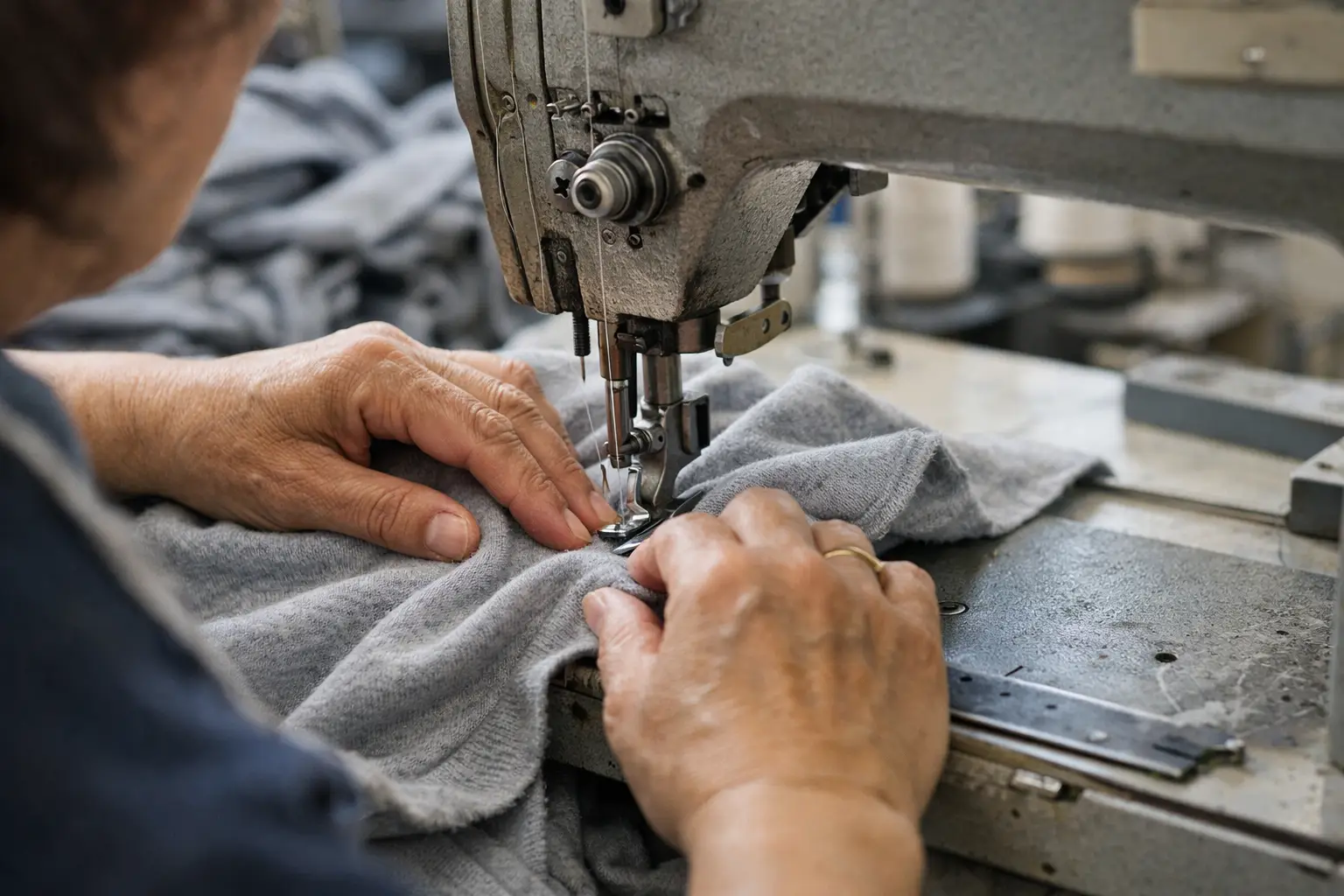
Knitwear production requires specialized technical knowledge in pattern development, garment construction, and finishing processes. Many production teams in India have decades of experience in cotton knit apparel manufacturing.
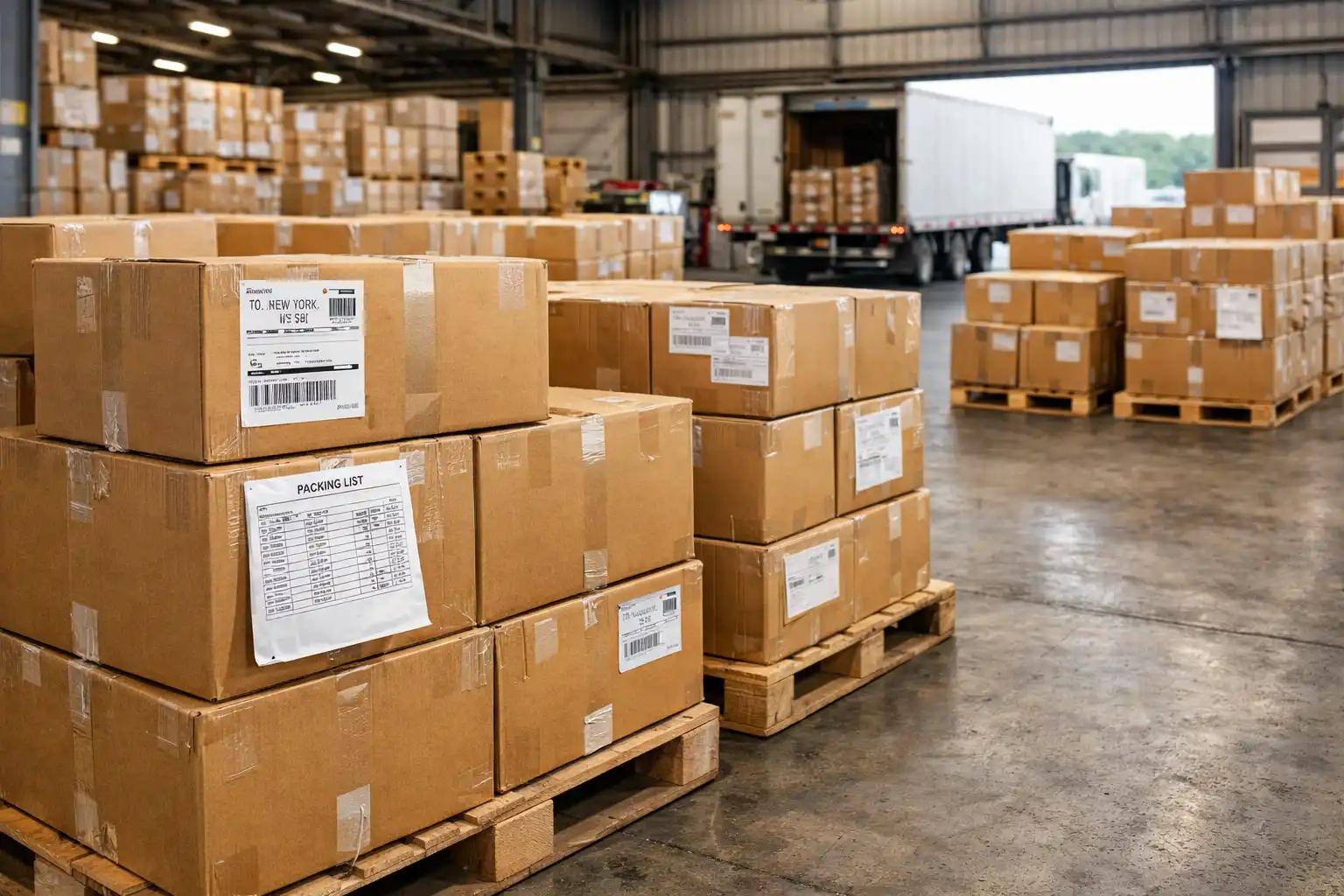
Export-Oriented Manufacturing Systems
India has long supported garment exports to global retail markets. Production systems are structured around export documentation, logistics coordination, and quality inspection processes.

Production Flexibility
Manufacturing clusters often allow brands to develop multiple product styles while maintaining flexibility in fabric sourcing, trims, and production scheduling.
Because of these integrated capabilities, many international fashion brands consider India a reliable sourcing base for cotton knitwear programs and private label apparel collections.
India–US Trade Developments and What They Could Mean for Apparel Importers
India and the United States are currently working toward the first phase of a broader Bilateral Trade Agreement (BTA). Government officials from both countries have confirmed that negotiations have progressed significantly, with discussions covering areas such as market access, customs procedures, trade facilitation, and investment promotion.
While the agreement has not yet been finalized and apparel-specific benefits have not been formally announced, many industry observers are closely monitoring these developments due to the potential impact on future trade and sourcing relationships between the two countries.
For US apparel importers, the ongoing discussions highlight the growing importance of India as a sourcing destination supported by:
- A well-established textile and knitwear manufacturing ecosystem
- Access to cotton, organic cotton, Supima cotton, modal, bamboo viscose, lyocell, and blended fabrics
- Export-oriented production capabilities
- Product development and sampling support
- Quality control and manufacturing coordination systems
- Experience serving international apparel markets
As negotiations continue, many US brands, importers, and private label companies are evaluating long-term sourcing strategies that prioritize supply chain stability, manufacturing capability, product quality, and production scalability.
Frequently Asked Questions About Apparel Sourcing For United States of America
These are common questions about apparel sourcing for US brands, private label programs, and knitwear manufacturing support from India.US apparel brands, startup clothing companies, importers, private label businesses, and corporate apparel buyers often have questions about sourcing, product development, manufacturing timelines, quality control, and export coordination. Below are some of the most common questions we receive when discussing knitwear manufacturing programs from India.
MOQ requirements vary based on the product category, fabric type, color count, and manufacturing requirements. In many cases, knitwear programs typically begin from around 500 pieces per style and color.
YYes. Private label programs can include custom labels, hangtags, packaging, trims, branding elements, and other product specifications based on the brand's requirements.
Common fabric options include 100% cotton, organic cotton, Supima cotton, modal, bamboo viscose, lyocell, rayon, viscose blends, cotton elastane blends, and other knit fabric constructions depending on the product category.
Production timelines depend on product complexity, fabric availability, development requirements, and order volume. Sampling, approvals, and manufacturing schedules all influence final lead times.
Brands typically share tech packs, garment sketches, reference samples, fabric preferences, size specifications, target quantities, and branding requirements to begin evaluating feasibility.
Many sourcing and manufacturing programs include multiple knitwear categories such as T-shirts, sleepwear, loungewear, hoodies, sweatshirts, kidswear, and corporate apparel within the same production cycle.
Quality control may include fabric inspections, measurement verification, in-line production checks, finishing inspections, and final quality reviews before packing and shipment preparation.
Yes. Export-oriented manufacturing programs can support shipments to the United States with appropriate export documentation, packing requirements, and shipment coordination based on buyer specifications.
Yes. Startup brands often require support with fabric selection, product development, sampling, production planning, and manufacturing feasibility before moving into larger production runs.
Yes. Manufacturing programs can be developed across a wide range of knitwear categories including T-shirts, oversized T-shirts, sleepwear, loungewear, kidswear, hoodies, sweatshirts, and corporate apparel collections.
Start Your Apparel Sourcing & Manufacturing Program
Whether you are exploring apparel sourcing for US brands or evaluating manufacturing partners in India, early planning can improve development and production outcomes.For US apparel brands, startup clothing companies, importers, and private label businesses, a structured sourcing and manufacturing process helps support product quality, consistent sizing, reliable production planning, and long-term supply chain stability.
Whether you are launching a new T-shirt collection, developing sleepwear and loungewear programs, expanding a private label apparel brand, or evaluating manufacturing options in India, early technical discussions can help clarify fabric selection, sampling requirements, production feasibility, and timeline expectations.
Sharing garment specifications such as tech packs, measurement charts, reference samples, fabric preferences, target quantities, and branding requirements allows production teams to evaluate project requirements and provide informed guidance throughout the development and manufacturing process.
Mirthuni Apparel works with international buyers to coordinate apparel sourcing, product development, sampling, manufacturing support, quality control, and export-ready production programs across specialized knitwear manufacturing partners in India.